
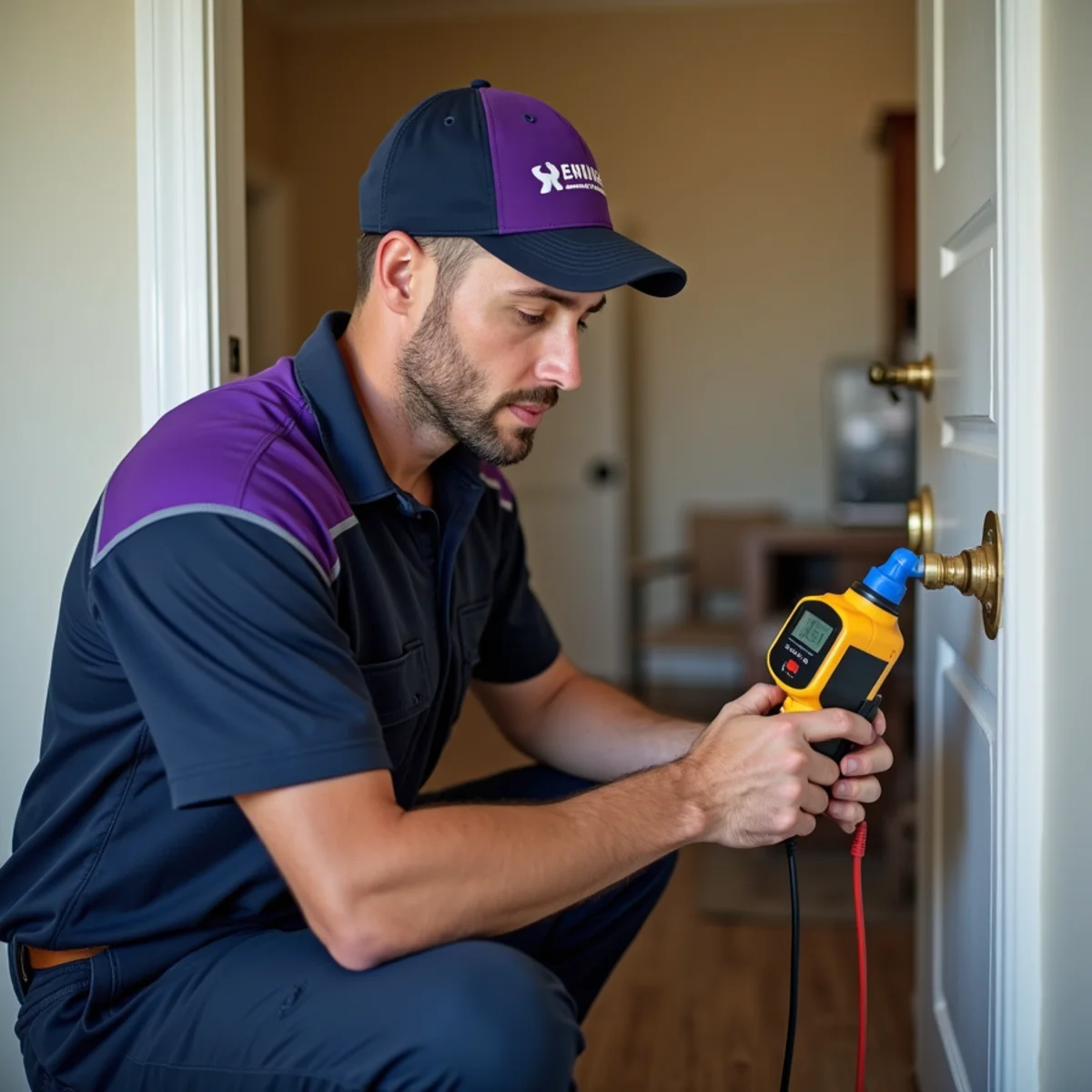
A natural gas leak is one of the few plumbing emergencies where the first step is to leave. If you smell that rotten-egg odor, get everyone out of the house, do not flip switches or light anything, and call the gas company and us from outside. Once the area is safe, our licensed plumbers locate the leak, repair or replace the failed line, and pressure-test the system to prove it is tight before gas is restored.
Gas work is not a DIY or handyman job in Texas — it requires a licensed plumber and, in most cases, a city permit and inspection. We handle new gas lines for ranges, water heaters, pool heaters, generators, and outdoor kitchens, plus leak repairs on existing lines corroded by age or damaged by soil movement. Every job ends with a documented pressure test, because with gas, "probably fine" is not good enough.
Signs of a natural gas leak
- A rotten-egg or sulfur smell near appliances or lines
- A hissing sound near a gas line or meter
- Dead or dying plants over an underground gas line
- A gas bill that jumped with no change in usage
- Dizziness, nausea, or headaches that ease when you leave the house
- A pilot light that keeps going out
What’s Included with Gas Leak Detection & Repair
Every gas leak detection & repair job in Grapevine comes with the same standard — real diagnosis, honest options, and workmanship we stand behind. Here’s what you get:
- Immediate safety guidance — evacuate and call the utility — before we arrive
- Leak location with a combustible-gas detector and pressure testing
- Repair or replacement of the affected line with proper materials
- City permit pulled and inspection coordinated where required
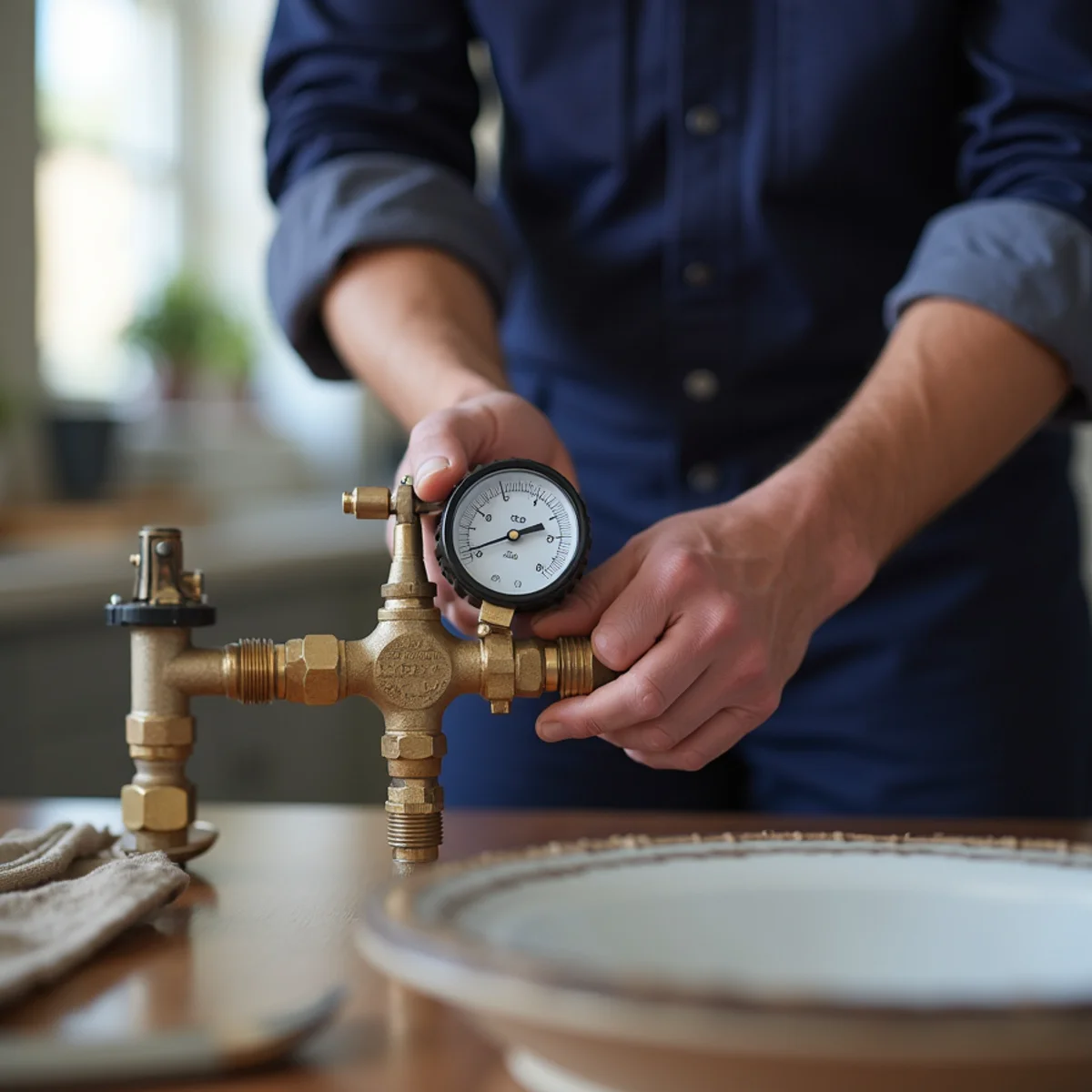
- A documented pressure test proving the system holds before gas is restored
- New gas lines for ranges, water heaters, pool heaters, generators, and outdoor kitchens
Our Process
- 1
Safety first
If you smell gas, we tell you to evacuate and call the utility. We respond and confirm the area is safe before working.
- 2
Detect and pinpoint
We use combustible-gas detectors and pressure testing to find exactly where the line is leaking.
- 3
Repair or replace to code
We repair or replace the affected section with proper materials, pulling a permit where the city requires one.
- 4
Pressure test and certify
We pressure-test the system to confirm it holds and is leak-free before gas is turned back on.
What Affects the Cost
Gas work is priced by the length and location of the line and the permitting involved — safety and a passing pressure test are non-negotiable.
Leak location and access
A leak at an accessible connection is a quicker fix than one in a buried or wall-enclosed line.
Repair vs. new line
Patching a single fitting differs from running a new gas line to an appliance or outdoor kitchen.
Permits and inspection
Most gas work in Grapevine and neighboring cities requires a permit and inspection, included in the scope.
Pipe material and length
Black iron, CSST, and longer runs to detached structures carry different material and labor costs.
Why Gas Work Is Never a DIY Job
Natural gas is the one plumbing emergency where the correct first move is to leave. If you smell that rotten-egg odor, get everyone out, do not touch switches or flames, and call the gas utility and us from outside. Only once the area is confirmed safe do we begin locating the leak with a combustible-gas detector and pressure testing — and everything after that is governed by code for a reason.
In Texas, gas work must be performed by a licensed plumber, and most jobs require a city permit and inspection. That is not red tape; it is the difference between a line that is verified tight and one that merely seems fine. We repair or replace the affected section with proper materials, pull the permit where the city requires it, and finish with a documented pressure test before any gas is turned back on. We handle new lines the same way — for ranges, water heaters, pool heaters, generators, and outdoor kitchens across Grapevine and the mid-cities — because with gas, “probably okay” is not a standard anyone should accept.
Frequently Asked Questions
Get everyone out of the house immediately. Do not turn light switches or appliances on or off, do not light a flame, and do not use your phone inside. Once outside, call your gas utility’s emergency line and call us. We will not have you re-enter until it is safe.