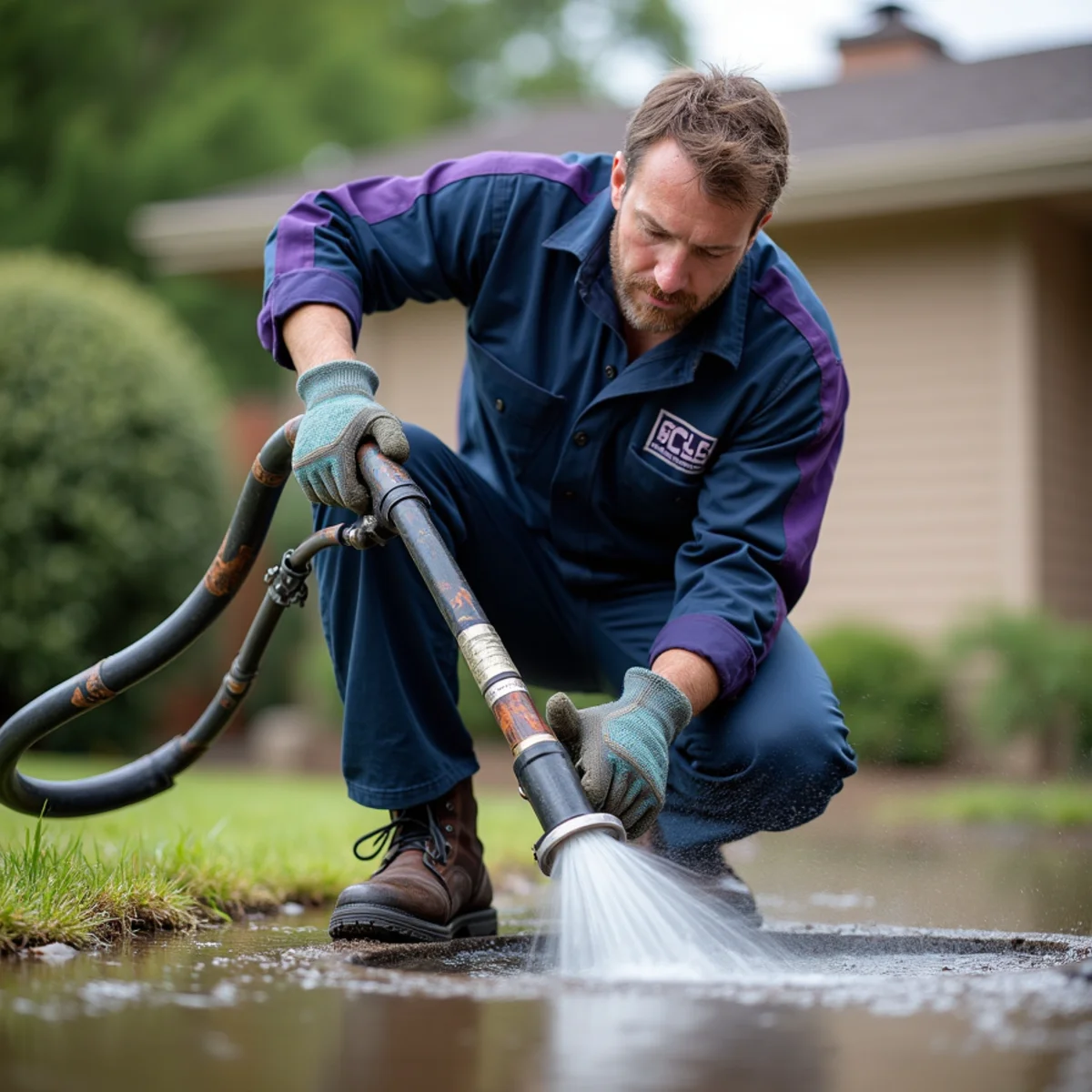
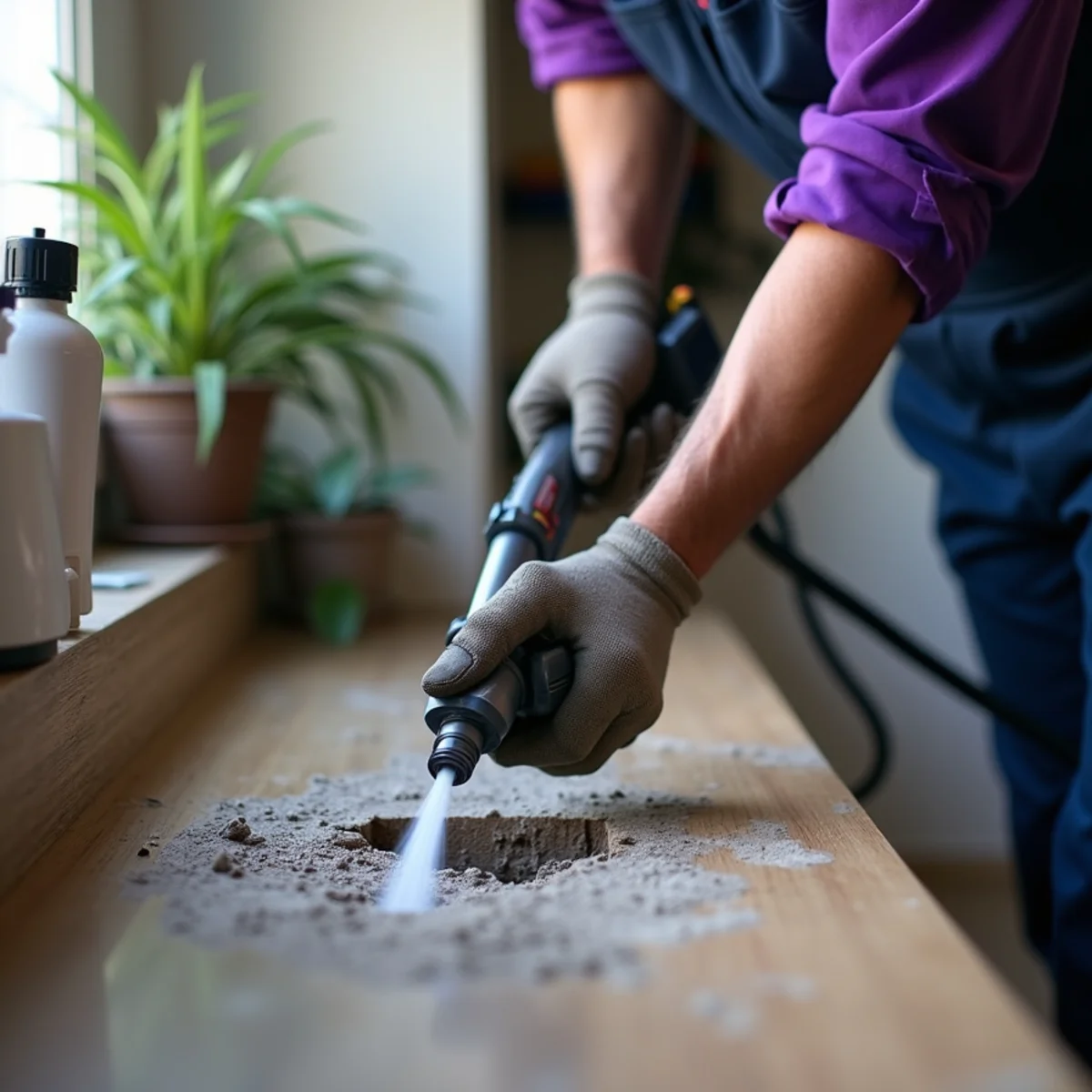
A drain cable clears a path through a clog; hydro-jetting cleans the pipe. Using water pressurized to thousands of PSI through a specialized nozzle, we scour grease, mineral scale, sludge, and root hair off the pipe walls back to their full diameter. For recurring clogs, restaurant grease lines, and root-prone sewer laterals across Grapevine, it is the difference between a temporary fix and a line that stays clear for years.
Because jetting is powerful, we do it responsibly. Every jetting job starts with a camera inspection so we know the pipe is structurally sound before applying pressure. If a line is cracked or collapsed, we tell you and repair it instead. That camera-first discipline is why our jetting clears the problem without turning a small crack into a bigger one.
When hydro jetting is the right tool
- Grease buildup in kitchen or restaurant drain lines
- Recurring clogs that a cable clears only briefly
- Root intrusion in older clay or cast-iron sewer laterals
- Heavy mineral scale narrowing the pipe
- Slow main lines serving the whole house or building
- Sludge and debris accumulation in commercial lines
What’s Included with Hydro Jetting
Every hydro jetting job in Grapevine comes with the same standard — real diagnosis, honest options, and workmanship we stand behind. Here’s what you get:
- A camera inspection first to confirm the pipe can safely handle high-pressure jetting
- The correct nozzle and pressure selected for grease, roots, or scale
- Full-length wall-to-wall cleaning, not just a channel punched through the clog
- Debris flushed downstream and the line left flowing at full diameter
- A final camera pass verifying the clean and flagging anything to monitor
- A maintenance interval recommendation for grease-prone commercial lines
Our Process
- 1
Camera first
We inspect the line to confirm it can handle high-pressure jetting and to see exactly what is coating the walls.
- 2
Match the nozzle
Different nozzles handle grease, roots, and scale. We select the right head and pressure for your line and clog type.
- 3
Jet the full line
High-pressure water cuts the blockage and flushes debris downstream, cleaning the pipe wall along the entire run.
- 4
Verify clean
A final camera pass confirms the pipe is clear to full diameter and flags anything worth monitoring.
What Affects the Cost
Jetting cost depends on the line’s size, length, and how it is accessed — plus whether an inspection reveals repairs are needed first.
Line diameter and length
Larger commercial mains and long residential laterals take more time and water than a short kitchen branch.
Severity of buildup
A heavily grease- or root-choked line takes multiple passes; a light cleaning is quicker.
Access point
An accessible cleanout speeds the job; roof-vent or pulled-fixture access adds labor.
Residential vs. commercial
Restaurant and commercial grease lines often need heavier equipment and a maintenance schedule.
What High-Pressure Water Actually Does
Hydro-jetting is often confused with a more aggressive snaking, but it works on a completely different principle. A specialized nozzle sends water through the line at thousands of PSI, with jets angled both forward to cut the blockage and backward to scour the pipe wall and pull debris downstream. The result is not a hole through the clog — it is a pipe cleaned back to its original diameter, with the grease film, mineral scale, and root hair that feed repeat clogs stripped away.
Because it is powerful, it has to be used responsibly. We camera the line before jetting for a reason: high pressure is exactly what you want in a sound pipe and exactly what you do not want in one that is already cracked or fragile. If the inspection shows a compromised section, we tell you and recommend repair instead of jetting. For restaurants and commercial kitchens along Main Street and across the mid-cities, we also set a maintenance interval — usually every three to six months — so a grease line never shuts the kitchen down at the worst possible time.
Frequently Asked Questions
A snake (cable) bores a hole through a clog to restore flow; hydro-jetting uses high-pressure water to scour the entire pipe wall clean. Snaking is great for a quick clear, but jetting removes grease, scale, and roots so clogs do not return as fast.