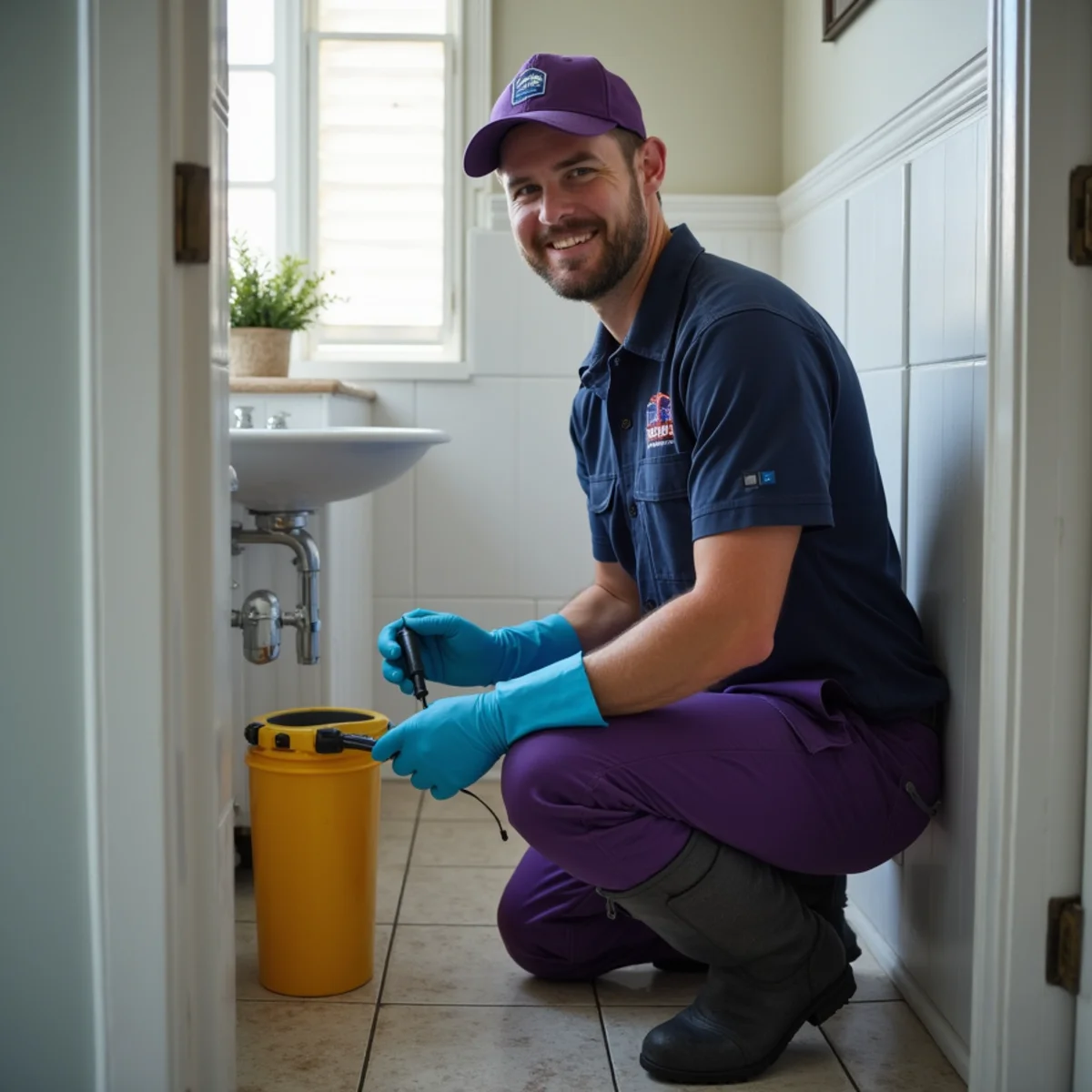
A sewage backup is not just disgusting — it is a genuine health hazard, full of bacteria you do not want in your home. When raw sewage rises into a tub, floor drain, or downstairs shower, stop using water immediately and call us. We clear the blockage, remove and sanitize the contamination with proper protective gear and disinfectants, and then find and fix what caused it so it does not happen again.
In Grapevine and the mid-cities, backups often trace to the sewer lateral — roots invading old clay joints, a collapsed section in shifting soil, or a storm surge overwhelming the line. A quick clearing gets the water down, but a camera inspection tells you whether the line itself is failing. We handle the emergency and the underlying repair, so you are not calling us back next month.
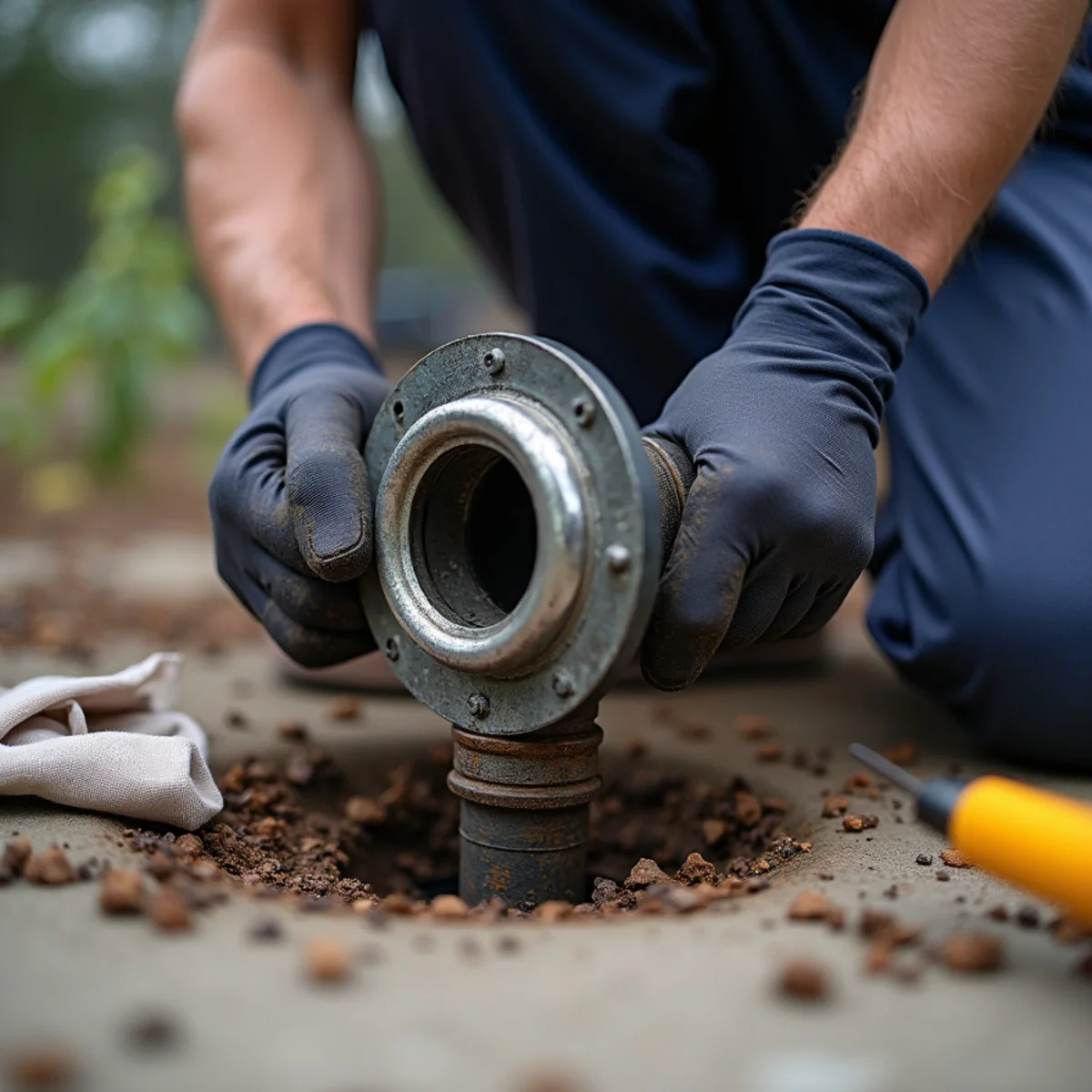
Signs of a sewer backup
- Sewage or wastewater rising in tubs, showers, or floor drains
- Multiple drains backing up at the same time
- A strong sewage odor inside the home
- Gurgling toilets when you run water elsewhere
- Water backing up when you flush or run the washer
- Sewage surfacing near a cleanout in the yard
What’s Included with Sewer Backup Cleanup
Every sewer backup cleanup job in Grapevine comes with the same standard — real diagnosis, honest options, and workmanship we stand behind. Here’s what you get:
- Containment and protective measures set up before anyone touches the contamination
- Emergency clearing of the blocked line, usually through the main cleanout
- Cleaning, disinfecting, and drying of affected hard surfaces
- Safe removal of sewage-soaked porous materials like carpet and pad
- A sewer camera inspection to find the real cause — roots, collapse, or a bellied line
- Repair of the underlying line so the backup does not return
Our Process
- 1
Stop and protect
We have you stop running water, then set up containment and protective measures before touching the contamination.
- 2
Clear the blockage
We clear the clogged line — often via the main cleanout — to stop the backup and lower the water.
- 3
Sanitize thoroughly
Affected surfaces are cleaned, disinfected, and dried, with contaminated porous materials removed as needed.
- 4
Find and fix the cause
A sewer camera identifies roots, collapse, or a bellied line so we repair the real problem, not just the symptom.
What Affects the Cost
Cost depends on the severity of the backup, the sanitizing required, and whether the sewer line itself needs repair — all explained before we proceed.
Extent of contamination
A contained backup at one drain is far less than sewage that spread across finished flooring and walls.
Clearing method
A cable may clear a soft clog; a root- or grease-choked line often needs hydro-jetting.
Line repair needs
If the camera reveals a broken or collapsed lateral, that repair is quoted separately and clearly.
Materials to remove
Porous items soaked with sewage — carpet, pad, drywall — usually must be removed and replaced for safety.
Treating a Backup as the Biohazard It Is
A sewer backup is not a bad clog — it is contaminated water carrying bacteria, viruses, and parasites into your living space, and it needs to be handled that way. The first instruction we give over the phone is to stop running water and keep people and pets out of the affected area. Everything after that, from clearing the line to sanitizing the mess, is done with proper protective equipment and disinfectants, not a mop and a bucket.
Clearing the backup stops the emergency, but it does not answer why it happened, and skipping that question is how homeowners end up cleaning sewage twice. After the water is down we camera the line to find the real cause — roots feeding through an old clay lateral, a bellied or collapsed section, or heavy grease and scale. Storms make it worse across the mid-cities: heavy rain surcharges the municipal system and pushes groundwater into cracked laterals, overwhelming lines that were already narrowed. We fix the underlying defect so the next storm does not put you right back where you started.
Frequently Asked Questions
Yes. Raw sewage carries bacteria, viruses, and other pathogens. Keep people and pets away from the affected area, stop using water, and let trained technicians handle the cleanup with proper protective equipment and disinfectants.