
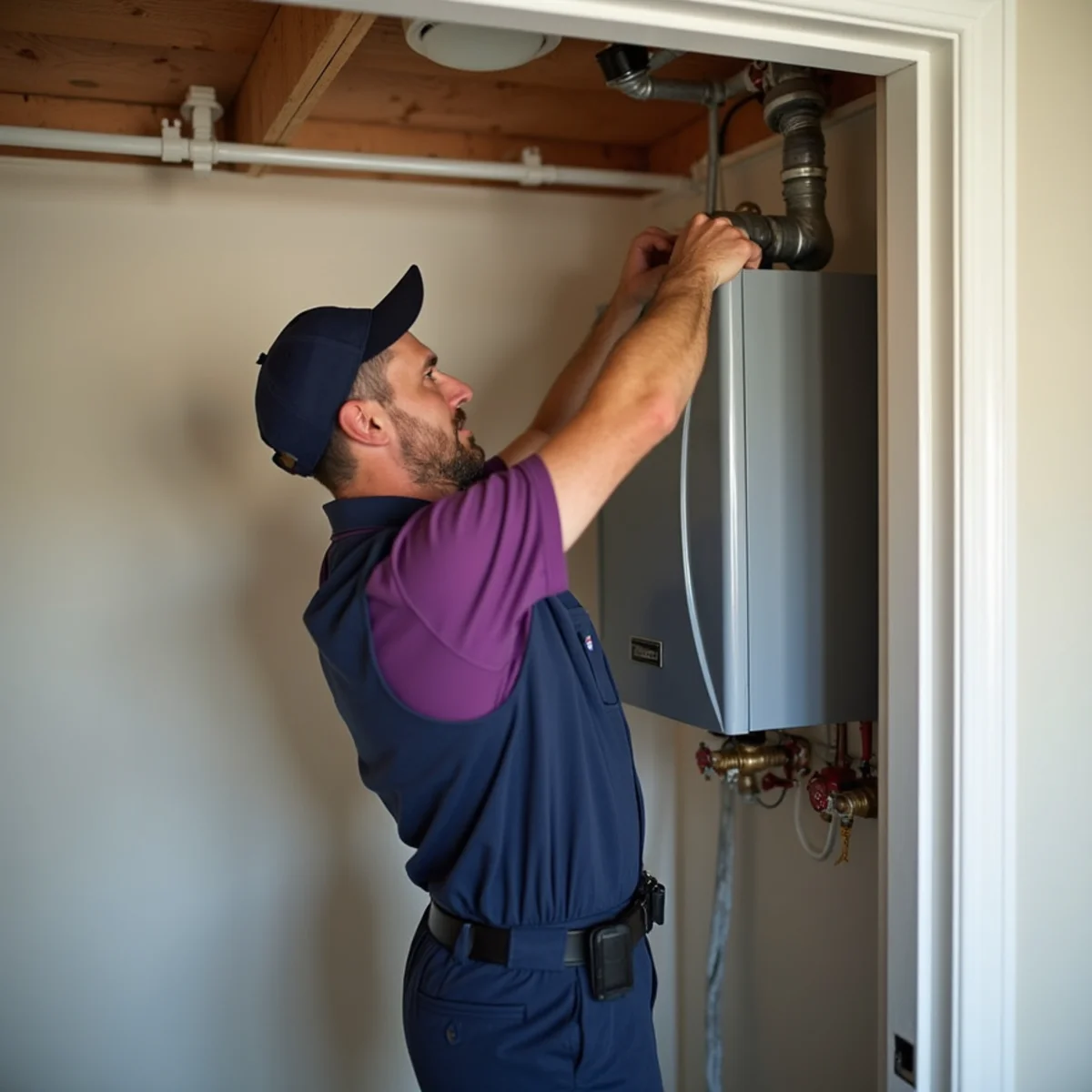
Running out of hot water during back-to-back showers is a tank-heater problem, not a fact of life. A tankless (on-demand) water heater heats water as it flows, so you get endless hot water, a much smaller footprint, and a unit that commonly lasts twice as long as a tank. For growing Grapevine and Keller households — and homes adding a bathroom or a big soaking tub — it is often the upgrade that finally fits the demand.
The catch is that tankless is only as good as its installation. It needs the right size for your peak flow, adequate gas supply, and proper venting — corners that discount installers cut and homeowners pay for later in lukewarm water and error codes. We size the unit to your household, verify your gas line and venting can support it, and install it to code. In our hard water, we also set you up for the periodic descaling that keeps a tankless heat exchanger healthy for the long haul.
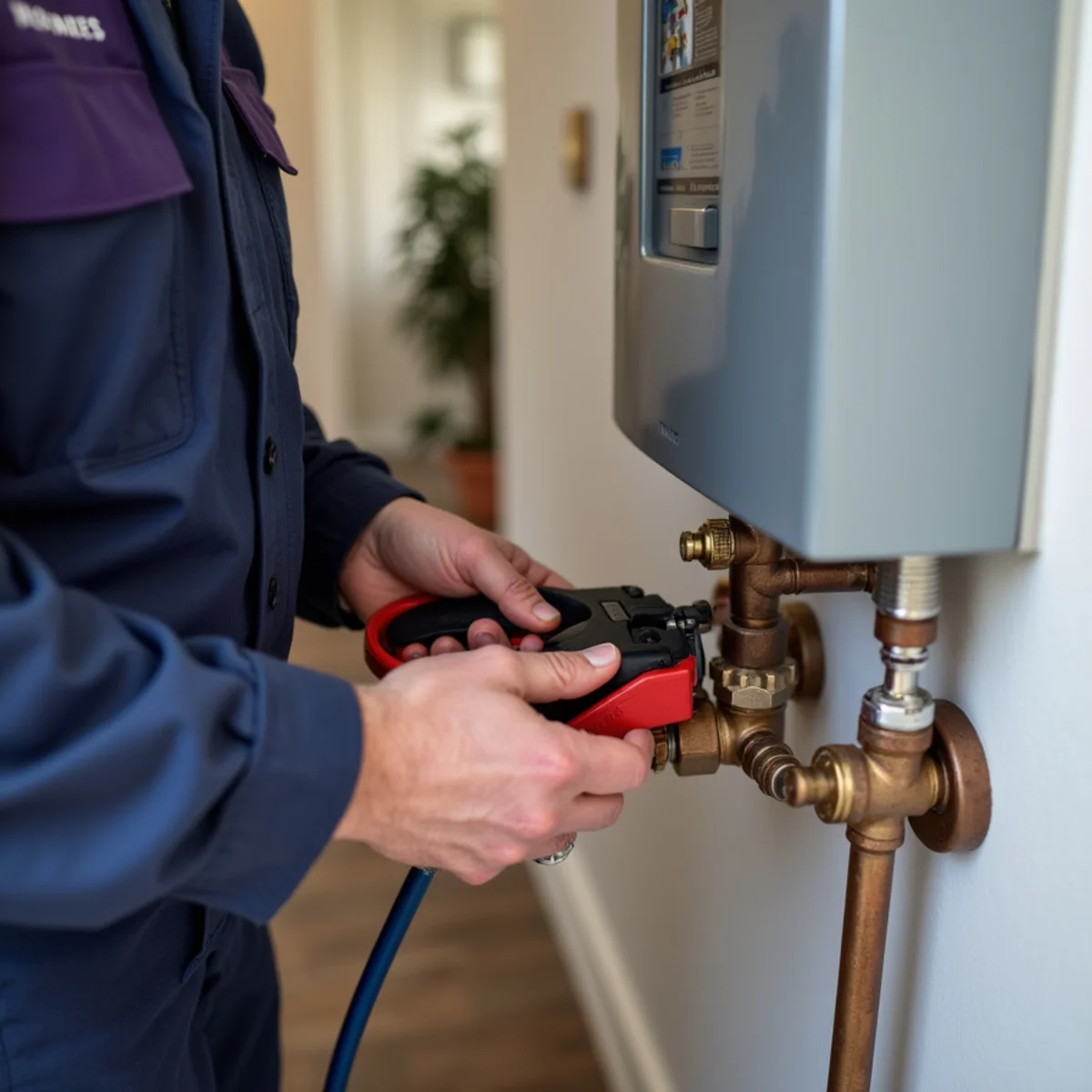
Reasons Grapevine homeowners go tankless
- Running out of hot water during back-to-back showers
- Wanting to reclaim the closet or garage space a tank uses
- Adding a bathroom, soaking tub, or extra demand
- An aging tank heater due for replacement anyway
- Wanting a longer-lasting, higher-efficiency system
- Frustration with standby energy loss from a tank
What’s Included with Tankless Water Heater Installation
Every tankless water heater installation job in Grapevine comes with the same standard — real diagnosis, honest options, and workmanship we stand behind. Here’s what you get:
- Sizing to your home’s peak simultaneous hot-water demand so it never runs cold mid-shower
- Verification that your gas line and venting can support a tankless unit — with upgrades quoted honestly
- Code-compliant install, permit coordination, and proper condensate and venting
- Removal and haul-away of your old tank heater
- A descaling schedule set up to protect the heat exchanger from hard-water scale
- Performance testing before we leave
Our Process
- 1
Size to your demand
We calculate your peak hot-water flow across simultaneous fixtures so the unit never runs cold mid-shower.
- 2
Verify gas and venting
We confirm your gas line and venting can support a tankless unit and quote any upgrades honestly up front.
- 3
Install to code
We mount and connect the unit, pull the permit where required, and set up proper condensate and venting.
- 4
Test and set maintenance
We verify performance, then set you up with a descaling schedule to protect the heat exchanger from hard-water scale.
What Affects the Cost
Tankless pricing reflects the unit, your home’s existing gas and venting, and any upgrades needed to support on-demand heating.
Unit capacity and brand
Higher-flow units for larger homes cost more; we recommend a size, not just the biggest or cheapest.
Gas line upgrades
Tankless units draw more gas on demand; some homes need a larger gas line to feed them properly.
Venting requirements
Switching from a tank often means new stainless or PVC venting routed to code.
Water treatment
A softener or scale filter protects your investment in our hard water and is worth pricing alongside the install.
Getting a Tankless Install Right the First Time
A tankless water heater is only as good as its installation, and that is where discount installs fall apart. These units heat water on demand instead of storing it, so they draw far more gas in short bursts than a tank ever did. Drop one in without confirming the gas line size and meter capacity, and you get lukewarm water and error codes the first time two showers run at once — a problem the homeowner pays for later, not the low bidder.
We size the unit to your home’s peak simultaneous demand, verify or upgrade the gas supply and venting, and install to code with proper condensate handling. The payoff in a North Texas home is real: endless hot water, a much smaller footprint, and a unit that can last twice as long as a tank — but only if you respect the water. Our hard water scales a tankless heat exchanger just like it scales a tank, so we set up a descaling schedule and, where it makes sense, pair the unit with a softener so the investment actually reaches its twenty-year potential.
Frequently Asked Questions
For many homes, yes — endless hot water, a longer lifespan, and lower standby losses. The trade-offs are a higher upfront cost and possible gas or venting upgrades. We size and price both tankless and tank so you can compare real numbers for your home.