
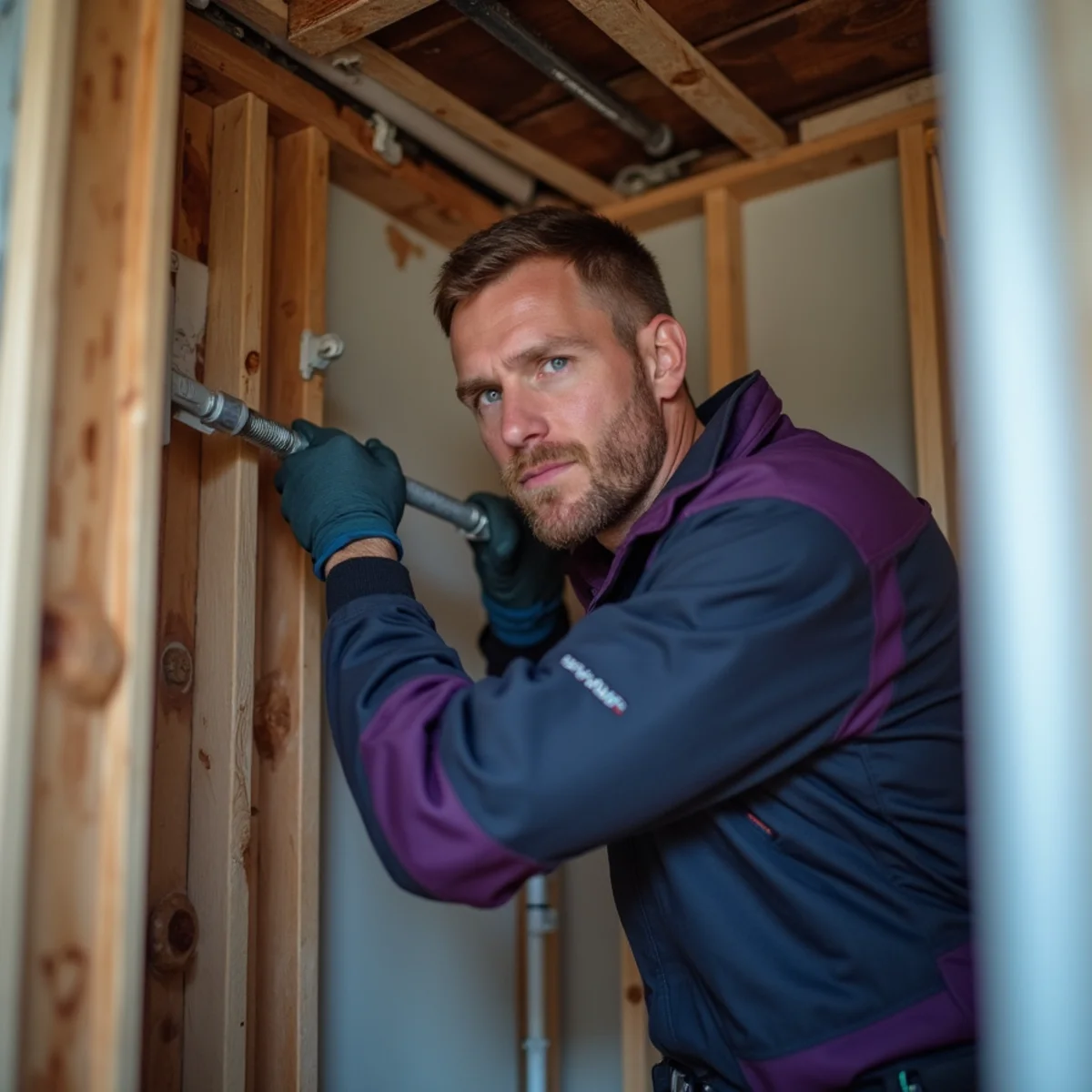
If you are chasing one pinhole leak after another, or your hot water runs rusty in the morning, the pipes themselves may be the problem — not any single fitting. Grapevine’s older neighborhoods, especially the pre-1985 homes near downtown, still run original galvanized steel or thin copper that has spent decades in shifting clay and near Lake Grapevine’s higher water table. Once corrosion sets in, spot repairs just chase the next weak spot.
A whole-house repipe replaces the failing supply lines in one planned project so you stop paying for repeated emergencies. We map the runs, protect your home, and install new PEX or copper with as few wall openings as possible — then patch and clean up behind ourselves. It is a bigger decision than a single repair, and we treat it that way: clear scope, clear price, and a warranty you can hold us to.
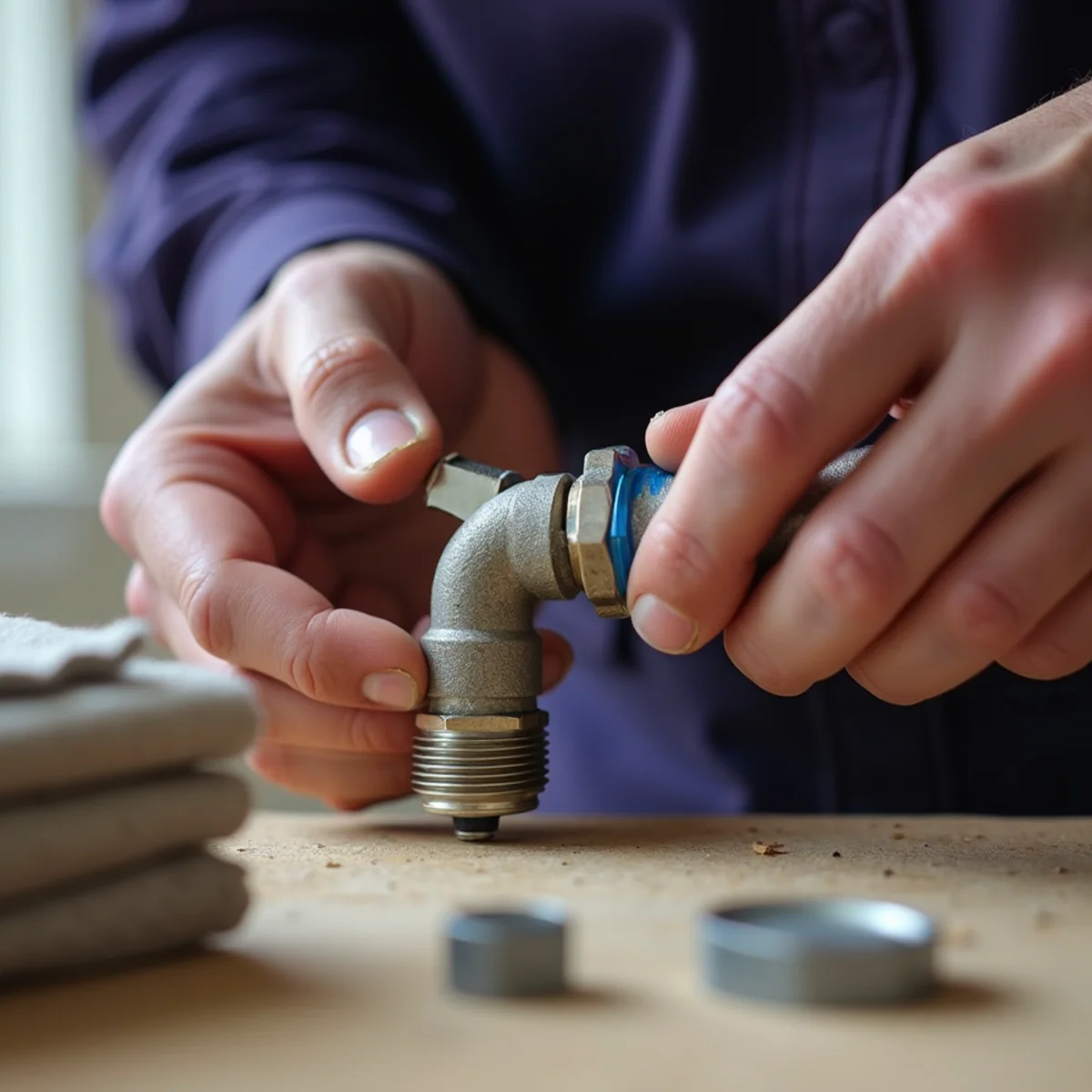
Signs your home may need repiping
- Repeated pinhole leaks in copper lines
- Rusty, discolored, or metallic-tasting water
- Low water pressure that keeps getting worse
- Visible corrosion or flaking on exposed pipes
- Galvanized steel supply lines (common in pre-1970 homes)
- Water that takes forever to run clear after being off
What’s Included with Whole-House Repiping
Every whole-house repiping job in Grapevine comes with the same standard — real diagnosis, honest options, and workmanship we stand behind. Here’s what you get:
- A full system assessment — pipe material, water pressure, and leak history — to confirm repiping is the right call
- A run map that minimizes wall openings and protects floors and furniture
- Your choice of PEX or copper, installed to code and pressure-tested line by line
- Water kept on as much as possible, with the shortest shutoff windows we can schedule
- Access openings patched, with texture and paint matching coordinated
- A written warranty on labor and materials
Our Process
- 1
Assess the system
We inspect your supply lines, water pressure, and the pipe material to confirm repiping is the right call — not just a repair.
- 2
Plan the runs
We map new pipe paths to minimize wall openings, protect your floors and furniture, and keep water on where possible during the work.
- 3
Install PEX or copper
You choose the material with our guidance; we install to code, pressure-test every line, and inspect before closing walls.
- 4
Patch, clean, warranty
We patch access openings, clean the site, and back the work with a written warranty on labor and materials.
PEX or copper for a North Texas home?
Both are excellent; the right pick depends on your goals. PEX flexes with our soil movement, resists the scale our hard water builds, installs faster, and costs less — which is why most modern repipes use it. Copper is rigid, time-proven, and preferred by some homeowners for resale, but it is pricier and more vulnerable to pinhole corrosion in aggressive water. We will give you a straight recommendation for your specific home rather than pushing one material.
What Affects the Cost
Repiping is priced by the size and layout of your home and the material you choose — here is what shapes the estimate.
Home size and bathrooms
More fixtures and longer runs mean more pipe and labor. A two-bath ranch is a very different job from a five-bath two-story.
PEX vs. copper
PEX is faster to install and resists scale; copper costs more but some homeowners prefer it. We price both.
Slab vs. accessible routing
Homes where we can route through walls and attic are simpler than those needing under-slab reroutes.
Drywall repair
We minimize openings, but access patches and texture matching are part of an honest repipe quote.
Knowing When It’s Time to Repipe
Repiping is not the first answer to a leak — it is the right answer to a pattern. One pinhole in an otherwise sound copper system is a repair. A second and third pinhole within a year, rusty water in the mornings, pressure that keeps dropping, or original galvanized steel in a pre-1970 home are signs the pipe itself has reached the end of its service life, and every spot repair is just buying time until the next weak spot fails.
The material choice matters for a North Texas home. PEX flexes with the ground movement our clay soil produces, resists the scale our hard water builds, installs faster, and costs less — which is why most modern repipes use it. Copper is rigid, proven, and preferred by some homeowners for resale, but it is pricier and more vulnerable to pinhole corrosion in aggressive water. We map the runs to make the fewest, smallest wall openings we can, pressure-test every new line before closing up, and patch behind ourselves so you are not left with a second project.
Frequently Asked Questions
Most single-family homes are repiped in two to four days, depending on size and layout. We keep water available as much as possible during the project and schedule the shortest shutoff windows we can.