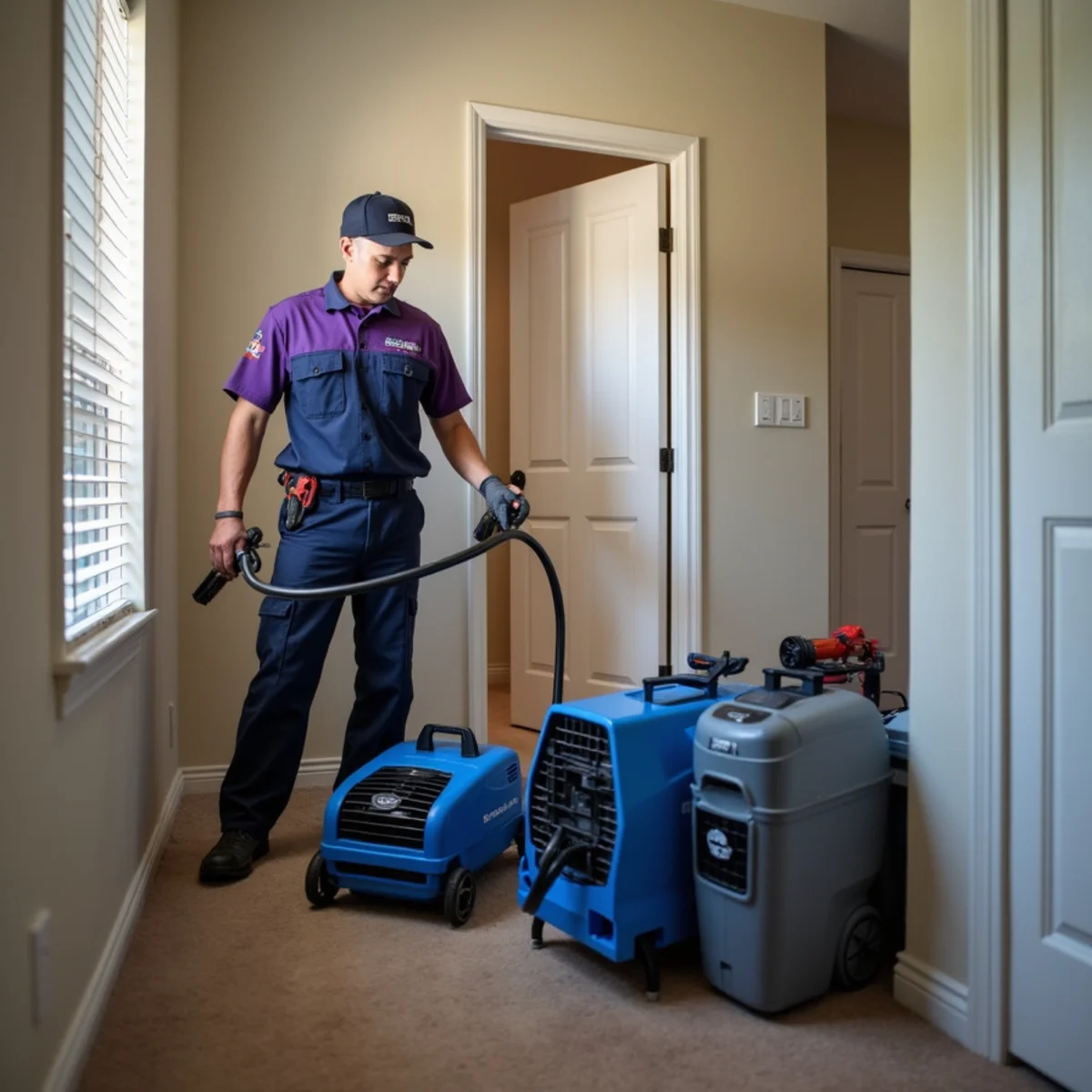
Water damage is a race against the clock. The EPA guidance is clear: wet materials need to start drying within 24 to 48 hours, or mold moves in. When a supply line bursts, a water heater fails, or a storm pushes water into your Grapevine home, we combine the plumbing fix with the cleanup — first stopping the source, then extracting standing water and drying the structure with commercial air movers and dehumidifiers.
Because we are plumbers first, we solve the actual cause instead of just mopping up a symptom that will flood again. And we document everything — photos, moisture readings, and itemized work — the way insurers expect, so your claim goes smoothly. Whether it is clean supply water or a contaminated backup, we handle it with the right containment and sanitizing for the category of water involved.
When to call for water damage help
- Standing water from a burst pipe, appliance, or water heater
- Storm water or sewer backup entering the home
- Soaked carpet, drywall, or subfloor after a leak
- A musty smell or visible mold after past water intrusion
- Warped flooring or sagging, stained ceilings
- Water that has spread beyond the room it started in
What’s Included with Flood & Water Damage Cleanup
Every flood & water damage cleanup job in Grapevine comes with the same standard — real diagnosis, honest options, and workmanship we stand behind. Here’s what you get:
- The plumbing source fixed first — the leak, backup, or failed fixture that caused the flooding
- Fast standing-water extraction with pumps and truck-mounted equipment
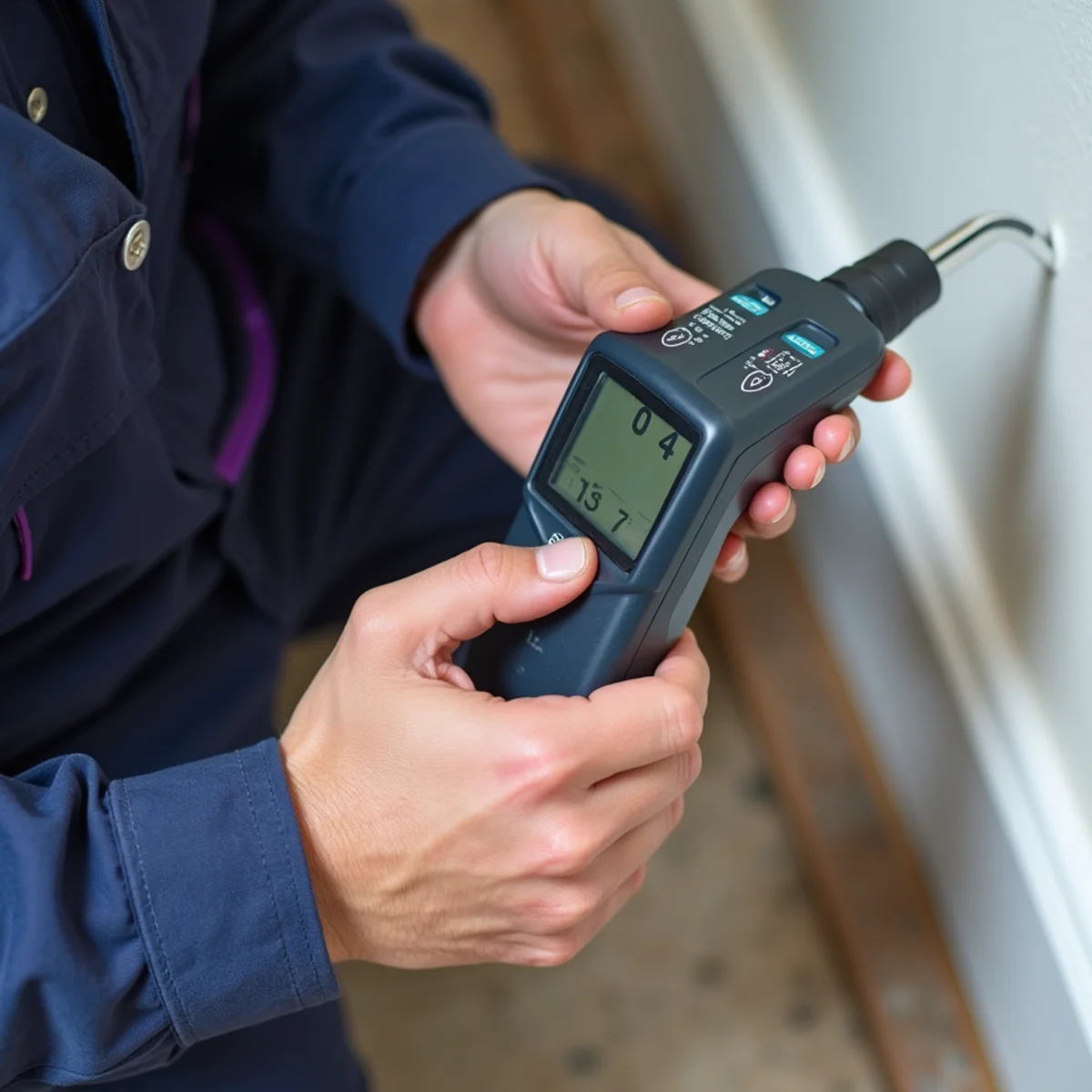
- Structural drying with commercial air movers and dehumidifiers, tracked by moisture meter
- Cleaning and sanitizing matched to the category of water involved
- Removal of porous materials too far gone to dry safely
- Insurance-ready photos, moisture readings, and itemized documentation
Our Process
- 1
Stop the source
As plumbers, we fix the leak, backup, or failed fixture causing the flooding before any cleanup begins.
- 2
Extract standing water
We remove standing water quickly with pumps and extractors to limit how far it spreads and soaks in.
- 3
Dry and dehumidify
Commercial air movers and dehumidifiers dry the structure, with moisture readings tracked until materials are back to normal.
- 4
Sanitize and document
We clean and sanitize affected areas and provide photos, readings, and an itemized record for your insurance claim.
What Affects the Cost
Cleanup cost scales with how much water spread and what it touched — fast response keeps it lower, and we document everything for your insurer.
Affected area and depth
A single soaked room dries faster and cheaper than water that spread across floors and into walls.
Category of water
Clean supply water, gray water, and contaminated black water require different containment and sanitizing.
Materials involved
Carpet, hardwood, drywall, and insulation each dry differently; some can be saved, some must be removed.
Equipment and drying time
Larger or wetter jobs need more air movers and dehumidifiers running longer to reach dry standard.
The 24–48 Hour Window That Decides Everything
Water damage is a race, and the clock is set by mold, not by the plumbing. EPA guidance is blunt: wet materials need to begin drying within 24 to 48 hours, or mold takes hold in the drywall, carpet pad, and subfloor. That is why the worst thing a homeowner can do after stopping the water is wait to “see if it dries on its own” — by the time a soaked baseboard looks dry on the surface, the cavity behind it may already be colonizing.
Because we are plumbers first, we fix the source before we dry the structure, so you are not extracting water from a leak that is still running. Then we extract standing water, set commercial air movers and dehumidifiers, and track the structure with a moisture meter until the readings return to normal — drying what can be saved and removing what cannot. Throughout, we photograph the loss, log the moisture readings, and itemize the work the way adjusters expect, so your insurance claim is supported by evidence rather than guesswork.
Frequently Asked Questions
Very fast. Mold can begin growing in 24 to 48 hours on wet materials, so extraction and drying should start the same day. Calling immediately — even before you know the full extent — is the right move.