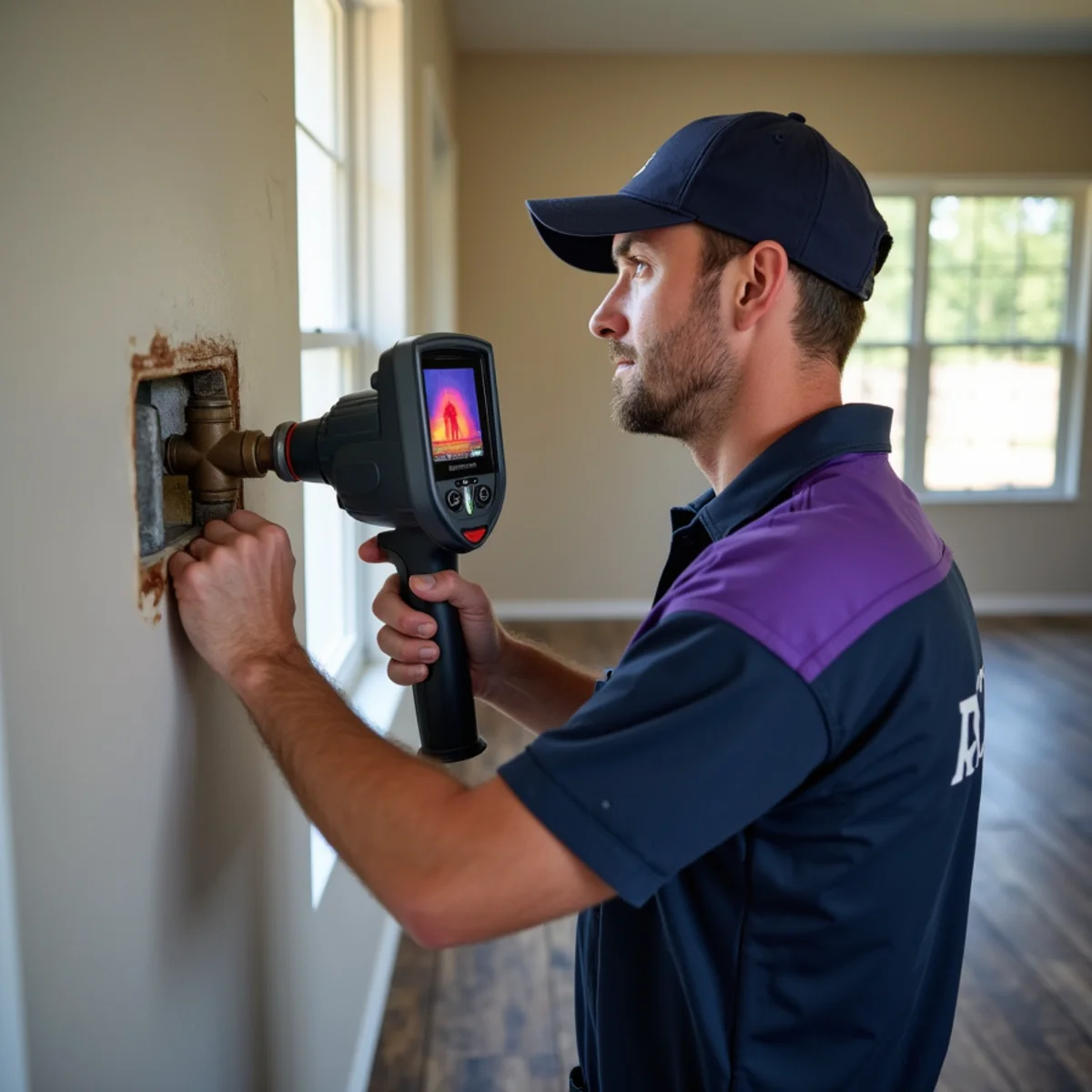
The most expensive leaks are the ones you cannot see. A hidden leak behind a wall, under the slab, or in a supply line can run for months — spiking your water bill, feeding mold, and undermining your foundation — before a single visible clue appears. Our leak detection service finds these hidden leaks precisely, using acoustic listening, thermal imaging, and pressure testing, so the repair is a small targeted fix instead of a demolition guessing game.
Grapevine’s clay soil and the higher water table near Lake Grapevine make hidden leaks especially common and especially sneaky here. We combine the right technology with the local experience to know where lines typically fail in mid-cities homes. Whether you have a mystery water bill, a damp spot with no obvious source, or you just want a plumbing system checked before buying a home, we pinpoint the problem without tearing your house apart.
Clues you have a hidden leak
- A water bill that climbed with no change in habits
- The sound of running water when everything is off
- A warm or damp spot on the floor or wall
- Musty smells or unexplained mold
- Low water pressure with no clear cause
- A water meter that ticks with all fixtures shut
What’s Included with Leak Detection Services
Every leak detection services job in Grapevine comes with the same standard — real diagnosis, honest options, and workmanship we stand behind. Here’s what you get:
- A meter check and pressure test to confirm a leak and narrow it to supply, drain, or slab
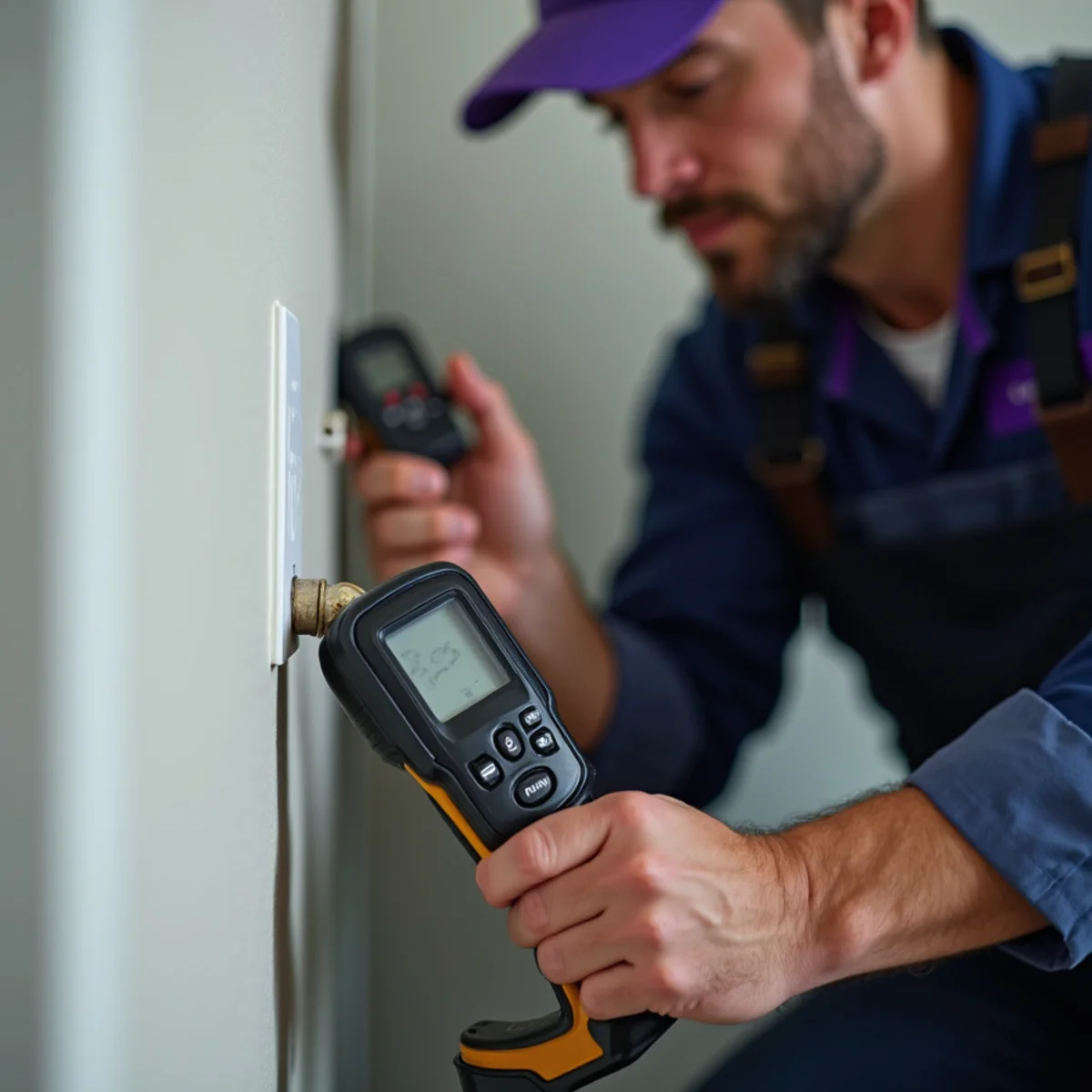
- Non-invasive pinpointing with acoustic listening, thermal imaging, and line tracing
- A clear explanation of where and what the leak is, with least-invasive repair options
- Accessible leaks repaired on the spot
- Slab or sewer findings routed to the correct repair with a written plan
- Documentation that supports a homeowners insurance claim
Our Process
- 1
Confirm and isolate
We check the meter and pressure-test the system to confirm a leak and narrow it to supply, drain, or slab.
- 2
Pinpoint non-invasively
Acoustic listening, thermal imaging, and line tracing locate the leak to within inches before we open anything.
- 3
Show you the findings
We explain exactly where and what the leak is, with the least-invasive repair options for that location.
- 4
Repair or refer to the right service
We fix accessible leaks on the spot and route slab or sewer findings to the correct repair with a clear plan.
What Affects the Cost
Detection is a defined diagnostic step; the repair that follows is priced by where the leak is and how it is accessed.
Type of detection needed
A simple pressure test differs from a full acoustic and thermal survey of a whole-home mystery leak.
Leak location
A leak in an accessible wall is cheaper to reach and repair than one under the slab or a driveway.
System complexity
Larger homes with more fixtures and longer runs take more time to isolate.
Repair scope
Detection is the first step; the repair itself is quoted once we know exactly what and where the problem is.
Finding What You Can’t See — Without Demolition
The most expensive leaks are the ones with no visible drip. A hidden leak behind a wall, under the slab, or in a buried supply line can run for months — inflating the water bill, feeding mold, and undermining the foundation — before a single surface clue appears. The old approach was to open walls and floors until you found it. We do the opposite: confirm the leak with a meter check and pressure test, then pinpoint it with acoustic listening equipment, thermal imaging, and line tracing before anything is opened.
Precision is the whole point. Locating a leak to within inches means the repair is a small, targeted opening instead of an exploratory demolition, and it means we can tell you honestly whether what you have is a running toilet, a slab leak, or a failing underground line — three very different repairs. Grapevine’s clay soil and the higher water table near the lake make hidden leaks both common and sneaky here, so a mystery water bill or a damp spot with no source is worth a proper detection visit rather than a guess and a hole in the drywall.
Frequently Asked Questions
We use non-invasive technology — acoustic listening equipment that hears water escaping, thermal cameras that see temperature differences, and pressure testing — to locate the leak to within inches. That precision means we open only a small area to make the repair.