

Grapevine is slab-leak country. Our expansive Blackland Prairie clay swells in wet seasons and shrinks in droughts, and that constant movement shears the copper and PEX lines running through the concrete foundation. A slab leak is sneaky — it can spike your water bill, warm a spot on the floor, or crack the foundation before you ever see a drop. The key is finding it precisely, so the repair does not turn into an unnecessary demolition project.
We locate slab leaks electronically — with acoustic listening equipment, pressure testing, and thermal imaging — before we touch the concrete. Pinpointing the exact spot lets us choose the least invasive fix: a targeted access-and-repair through a small opening, or a reroute that abandons the failed under-slab line entirely and runs fresh pipe through the walls or attic. Both beat jackhammering a trench across your living room on a guess.
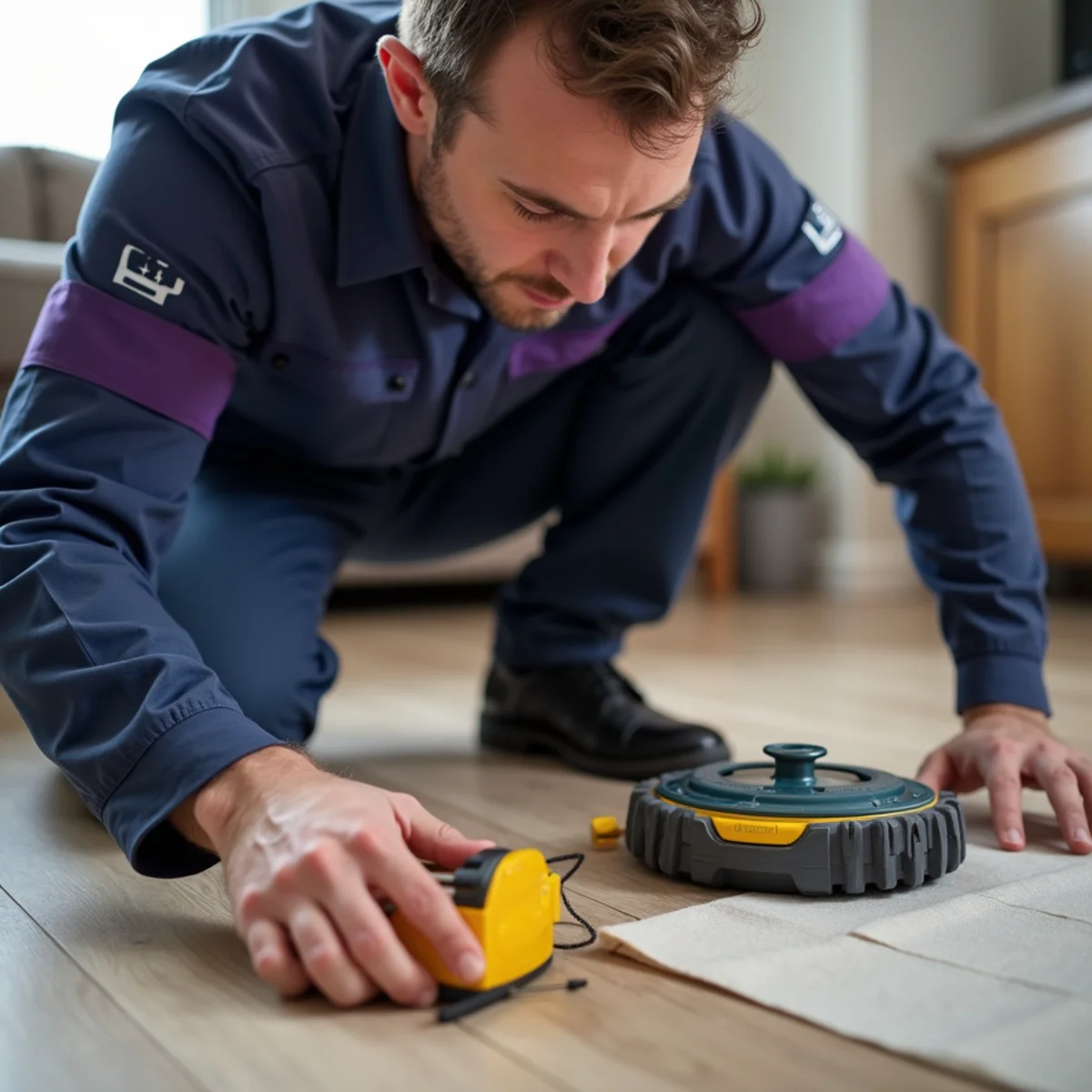
Warning signs of a slab leak
- A sudden, unexplained jump in your water bill
- A warm spot on the floor (from a hot-water line leak)
- The sound of running water when everything is off
- Low water pressure throughout the house
- Cracks in flooring, walls, or the foundation
- Damp, warped, or discolored flooring with no surface source
What’s Included with Slab Leak Detection & Repair
Every slab leak detection & repair job in Grapevine comes with the same standard — real diagnosis, honest options, and workmanship we stand behind. Here’s what you get:
- A pressure test to confirm a slab leak exists and isolate supply vs. drain
- Electronic pinpointing — acoustic listening, line tracing, and thermal imaging — before any concrete is touched
- A clear repair-or-reroute recommendation based on the pipe’s age and leak history
- Least-demolition access, or an overhead reroute that permanently bypasses the failed line
- Post-repair pressure testing and clean restoration of the access area
- Thorough documentation to support a homeowners insurance claim
Our Process
- 1
Confirm the leak
We pressure-test the system to verify a leak exists under the slab and isolate whether it is a supply or drain line.
- 2
Pinpoint electronically
Acoustic listening, line tracing, and thermal imaging locate the leak to within inches — no exploratory jackhammering.
- 3
Choose repair or reroute
For a single isolated leak we access and repair the spot; for aging or repeat-leak lines we reroute fresh pipe overhead.
- 4
Repair, test, restore
We complete the fix, verify with a pressure test, and restore the access area cleanly.
Why our clay soil causes slab leaks
The Houston Black and Eagle Ford clays under Grapevine are among the most expansive soils in the country. They can gain and lose several inches of volume between a soaked spring and a cracked-earth August, and your foundation — and every pipe cast into it — rides that movement. Over years, the cyclic stress work-hardens and cracks copper, especially at bends and where a line rubs concrete. That is why slab leaks cluster in homes 20 to 40 years old here, and why a reroute overhead often makes more sense than repairing a line that will just fail again nearby.
What Affects the Cost
Slab leak repair is priced by how the leak is accessed and whether you repair the spot or reroute the line — detection comes first so the plan is precise.
Detection and access
Electronic detection is a fixed step; access cost depends on whether the leak sits under tile, hardwood, or an interior slab.
Spot repair vs. reroute
A single-spot repair is less involved than rerouting a line, but a reroute can be smarter for pipes that keep failing.
Supply vs. drain line
Pressurized supply leaks and gravity drain leaks under the slab are diagnosed and repaired differently.
Flooring restoration
Reopening and matching finished flooring adds cost that a garage-slab or unfinished-area repair avoids.
Why This Region Is Slab-Leak Country
The Houston Black and Eagle Ford clays under Grapevine are among the most expansive soils in the country. They can gain and lose several inches of volume between a soaked spring and a cracked-earth August, and your foundation — with every pipe cast into it — rides that movement. Over years, the cyclic stress work-hardens and cracks copper, especially at bends and anywhere a line rubs concrete. That is why slab leaks cluster in homes twenty to forty years old here, and why we treat an unexplained water-bill spike or a warm spot on the floor as a reason to test, not to panic.
The repair decision hinges on history. A single isolated leak in an otherwise good line is worth a targeted spot repair. A line that has already leaked more than once is usually better rerouted overhead — running fresh pipe through the walls and attic to permanently bypass the failing under-slab run, so you are not back with a jackhammer next year. Either way, we pinpoint the leak electronically before touching concrete, and we document the whole process because many Texas policies cover the access-and-repair cost even when the pipe itself is excluded.
Frequently Asked Questions
We use non-invasive electronic methods — acoustic listening equipment, line tracing, pressure testing, and thermal imaging — to pinpoint the leak to within inches before opening anything. That precision is what keeps the repair small.