
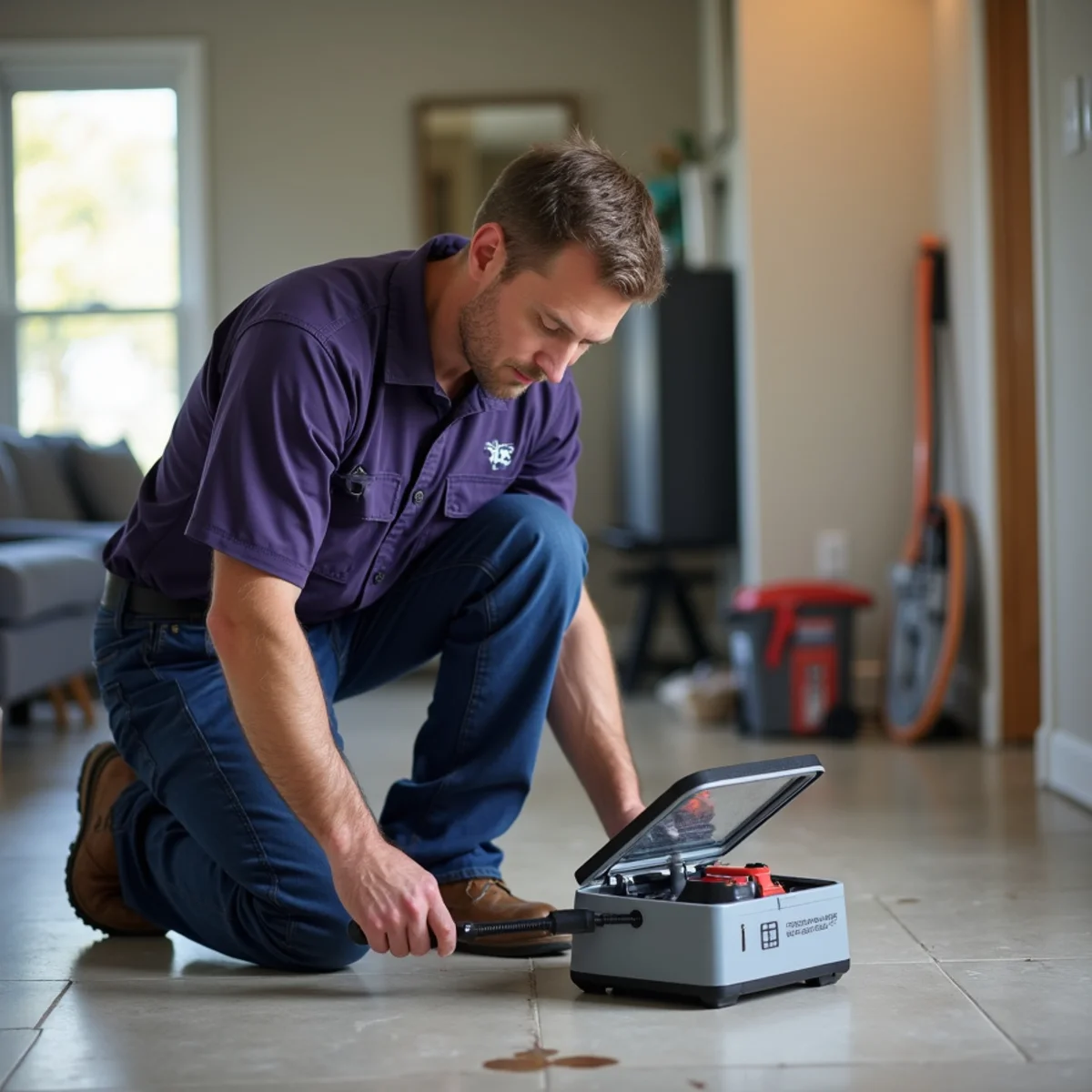
Core-Service · By Grapevine Heritage Plumbing
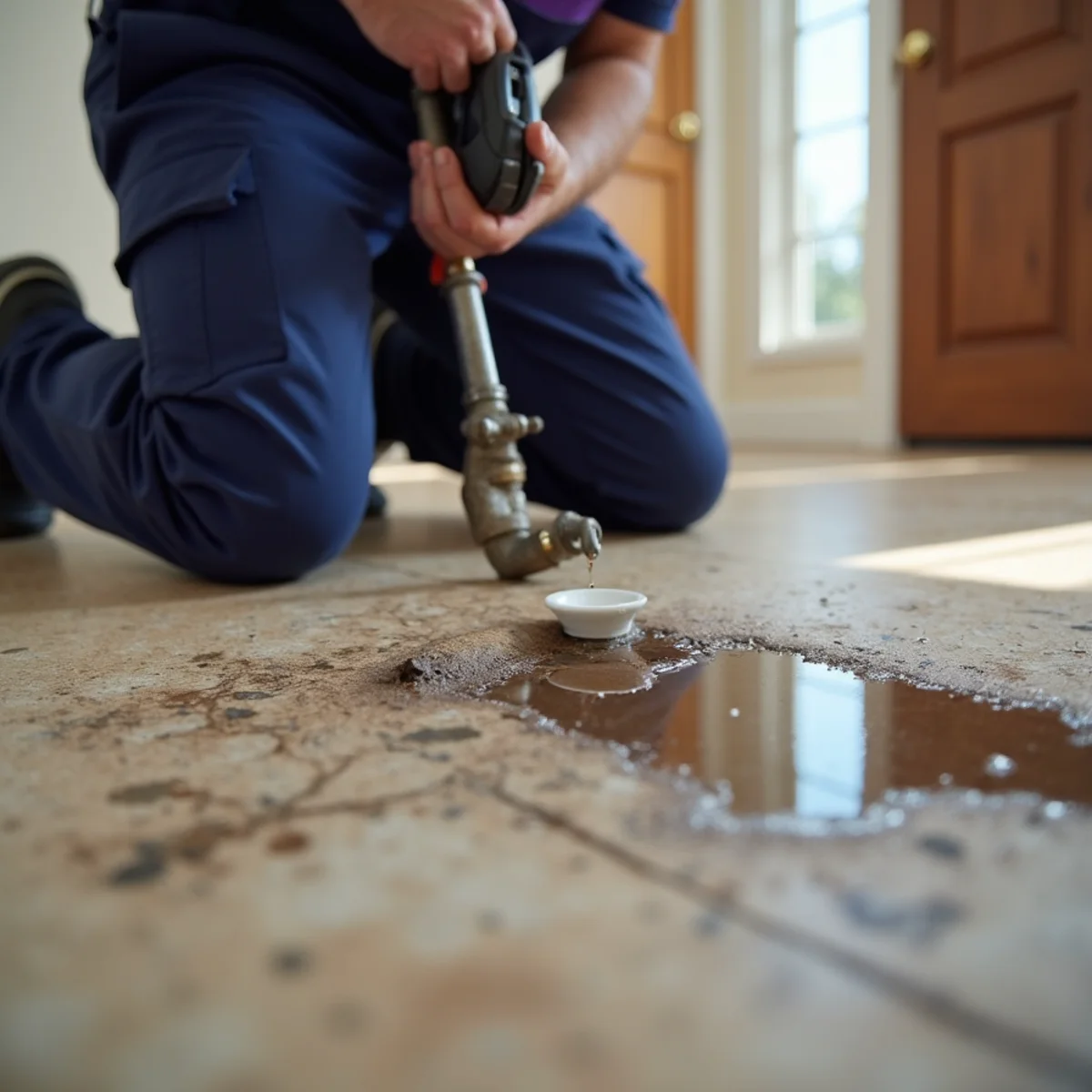
A slab leak is a water or sewer line that has failed underneath the concrete foundation your house sits on. Because the break is buried in soil and encased in slab, you almost never see the water directly. Instead you notice the symptoms — a bill that climbed for no reason, a warm patch on the tile, the sound of running water when every tap is off — and by then the leak has usually been working for a while.
In North Texas, slab leaks are not rare bad luck. Our expansive Blackland Prairie clay swells when it is wet and shrinks when it bakes, and that constant ground movement stresses the rigid copper and cast-iron lines running under our foundations until they crack, rub through, or pull apart at a joint. Catching one early is the difference between a targeted repair and a flooded, mold-prone room. Here are the seven signs we tell our Flower Mound and Grapevine neighbors to watch for.



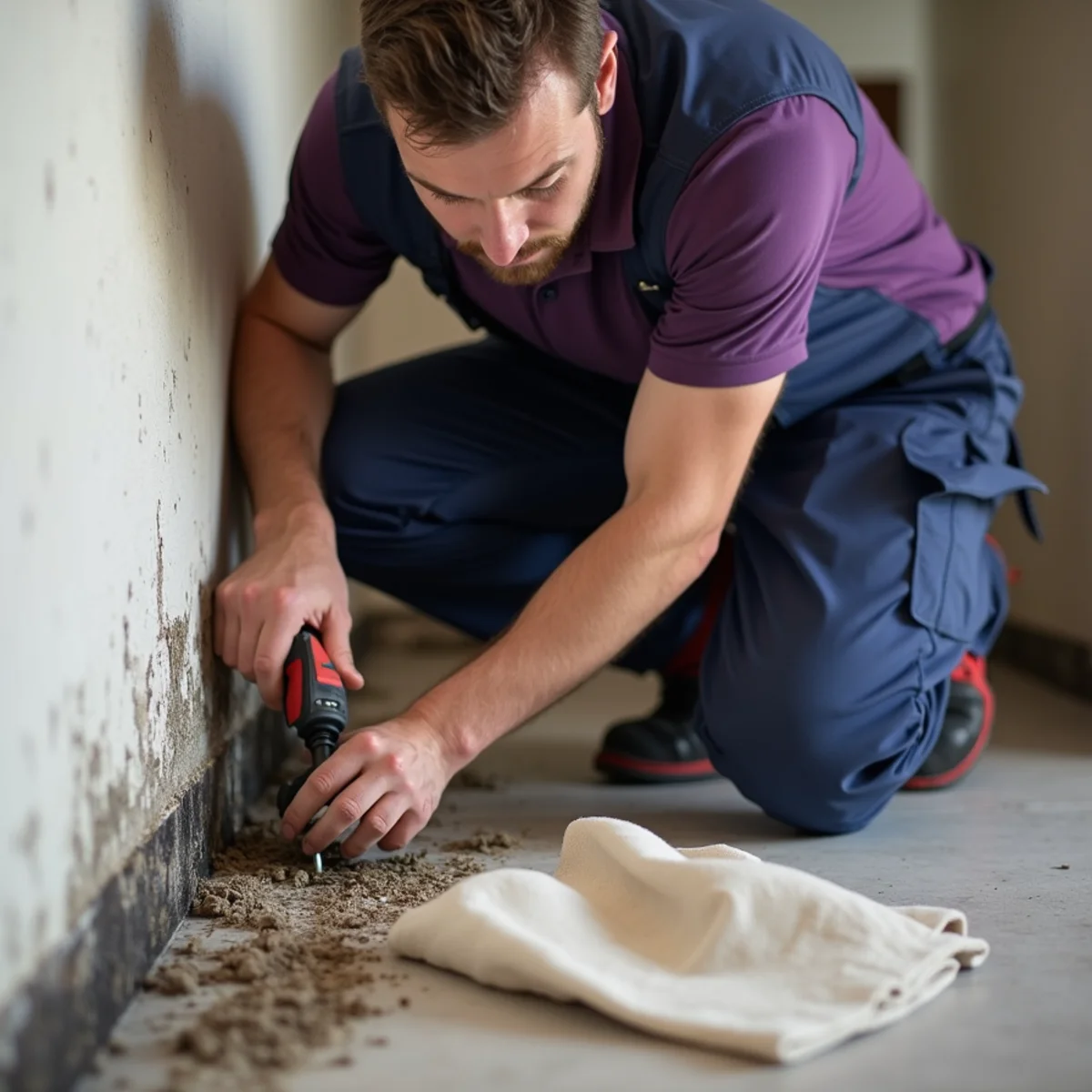
1. A water bill that jumped with no explanation
This is the most common first clue. Your usage habits have not changed, nobody filled a pool, but the water bill climbs. A pressurized slab leak runs 24 hours a day, and even a pinhole moves a startling amount of water over a monthly cycle. If your bill spikes and you cannot point to a reason, treat it as a plumbing symptom, not a billing error.
A quick self-test: turn off every water fixture and appliance in the house, then look at the water meter. If the flow indicator is still creeping, water is moving somewhere it should not be — and under a Texas slab, that somewhere is often the foundation.
2. A warm or hot spot on the floor
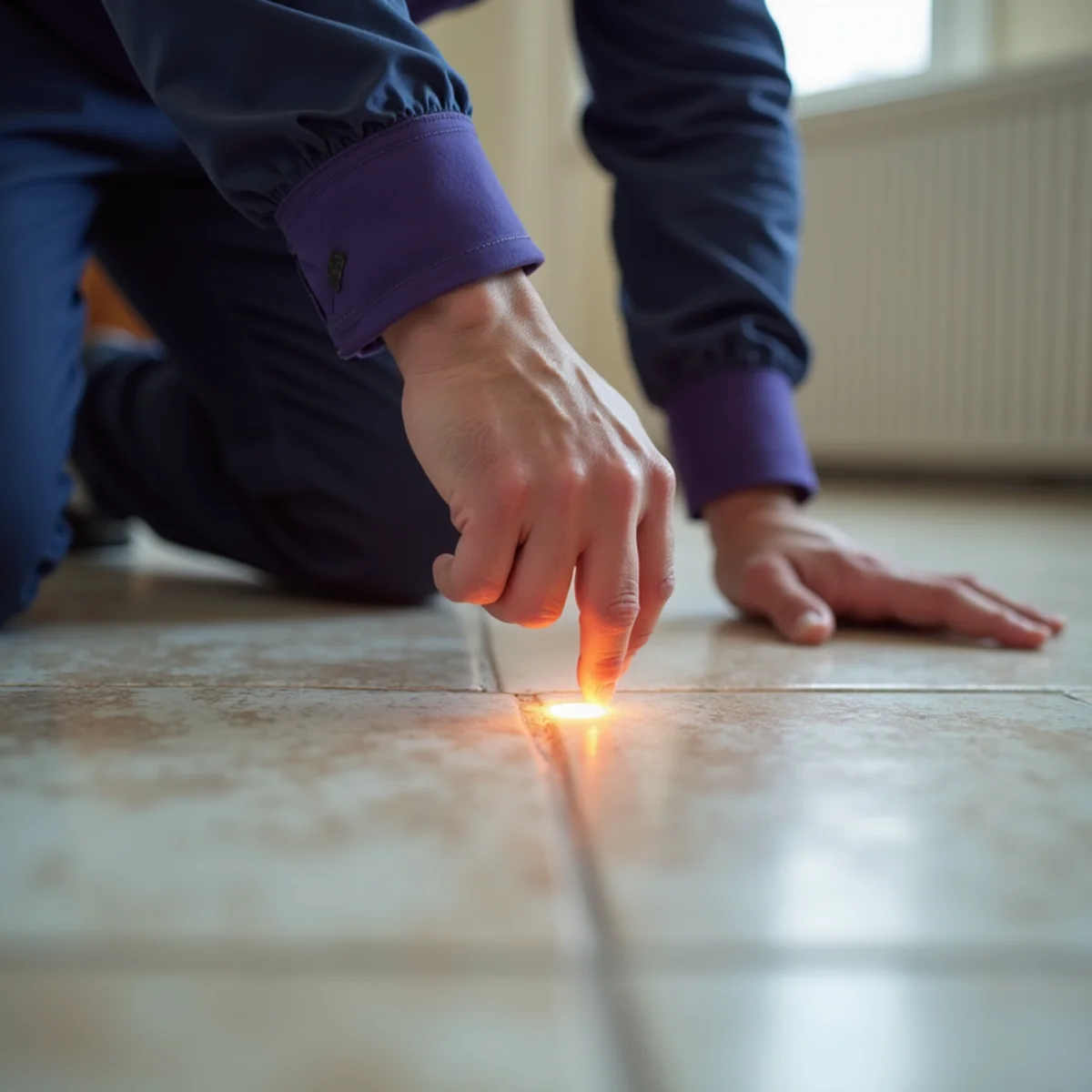
When the failed line is on the hot-water side, escaping hot water warms the concrete above it. You feel it as an unexplained warm patch under bare feet, most noticeable on tile or hardwood. Pets often find and lie on these spots before their owners notice them.
A localized warm area with no floor heating system installed is one of the more reliable slab-leak tells. It also helps us — it points our leak-detection gear toward the failure so we can pinpoint it instead of opening the whole floor.
3. The sound of running water when everything is off
Stand in a quiet house with every faucet, toilet, and appliance shut off, and listen. A faint hiss, trickle, or rushing sound coming from the floor or the base of a wall can be pressurized water escaping under the slab. It is easiest to hear at night when the house and street are quiet.
If you hear it, do not dismiss it as the water heater or the AC. Note where it is loudest and mention that location when you call — it gives us a head start.
4. Low water pressure throughout the house
A significant slab leak bleeds off system pressure, so faucets and showers that used to feel strong go weak. If the drop is house-wide rather than at a single fixture, and it came on without any other plumbing change, a hidden leak is a prime suspect. Pressure loss combined with a high bill is a strong pair of symptoms.
5. Cracks in flooring, walls, or the foundation
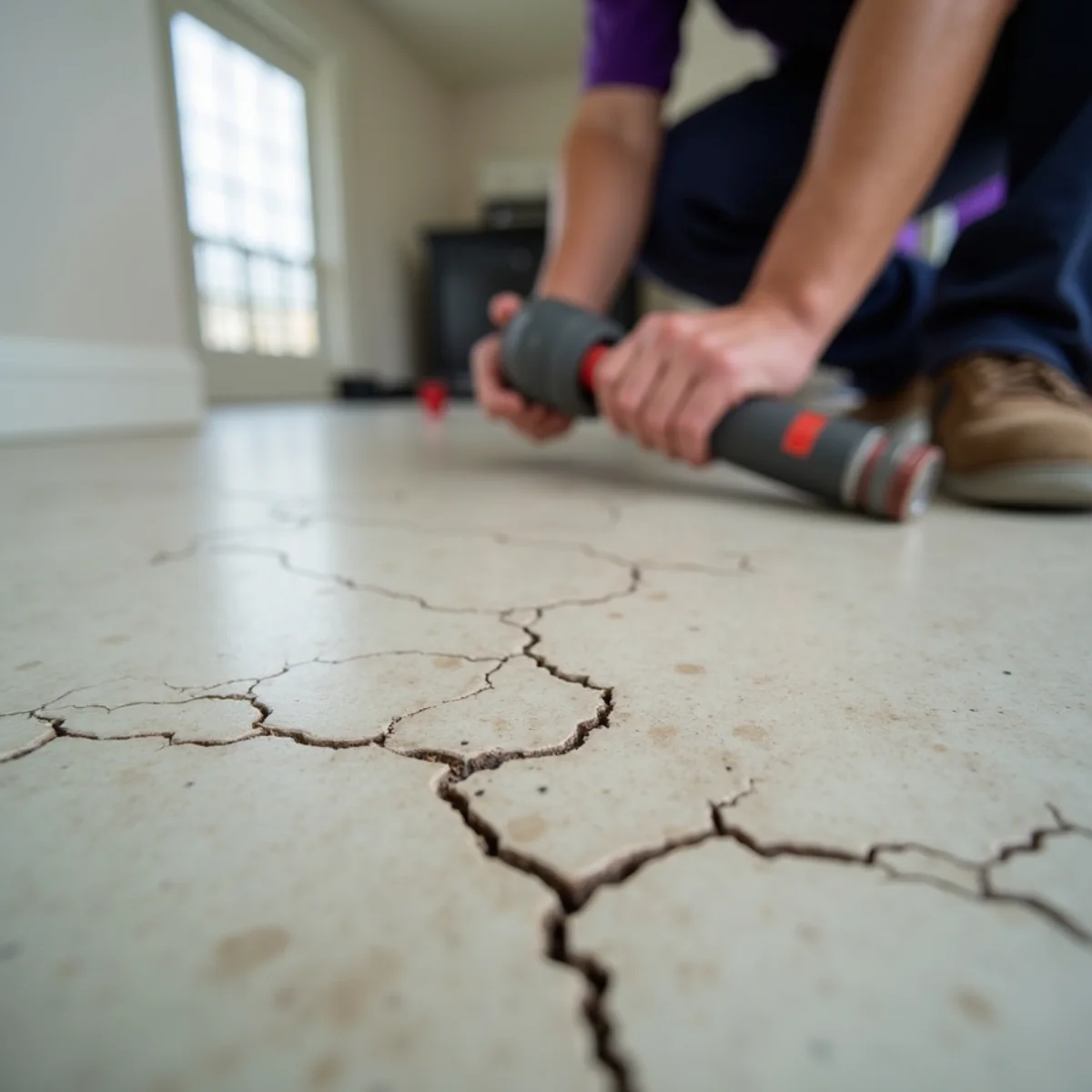
Here is the North Texas feedback loop. A slab leak saturates the clay soil under one part of your foundation. That clay swells, the foundation moves unevenly, and you get new cracks in tile, drywall, or the slab itself, plus doors and windows that suddenly stick. People often blame 'foundation settling' and call a foundation company, when the real driver is a plumbing leak feeding water into the soil.
If you are seeing fresh cracks, especially alongside any of the other signs on this list, have the plumbing checked before you spend money on foundation piers. Fixing the leak first can stop the movement that is causing the cracks.
6. Mildew smell, damp carpet, or mold
Water finding its way up through or around the slab brings moisture into the living space. You might smell a persistent musty, mildewy odor, notice carpet that stays damp in one area, or find mold appearing at the base of walls. In our humid warm months, that moisture becomes a mold problem quickly. A damp spot that will not dry out is not normal and deserves a look.
7. Dirty or cloudy water, or a running water heater
A break in the line under the slab can let soil and sediment migrate into your water, showing up as cloudy or slightly dirty water at the tap. And because a hot-side slab leak keeps draining heated water, your water heater runs far more than it should trying to keep up — you may notice it cycling constantly or your hot water running short. Either symptom, on its own or stacked with the others here, is worth a professional slab-leak check.
How Grapevine Heritage Plumbing Can Help
Frequently Asked Questions
We use electronic acoustic listening equipment, pressure testing, and line tracing to pinpoint the leak's exact location before touching the concrete. That means we open the smallest possible access point instead of guessing and cutting blindly across your floor.
A slab leak rarely announces itself with a flood. It whispers — a higher bill, a warm tile, a musty corner, a fresh crack — and the homeowners who listen catch it while the repair is still small. If two or three of these signs sound familiar, do not wait for the fourth.
Grapevine Heritage Plumbing locates slab leaks with electronic detection so we open the least amount of floor possible, and we lay out honest repair options before any concrete is touched. Call us at (831) 290-4327 for a slab-leak check and stop the damage before it reaches your foundation.