Local · By Grapevine Heritage Plumbing
The neighborhoods ringing Lake Grapevine are some of the most desirable addresses in the mid-cities, and for good reason. But the same lake that makes those streets special also changes what is happening in the ground under them. Homes sitting near the shoreline tend to have a higher water table — the soil stays wetter, deeper, and for longer than it does a few miles inland.
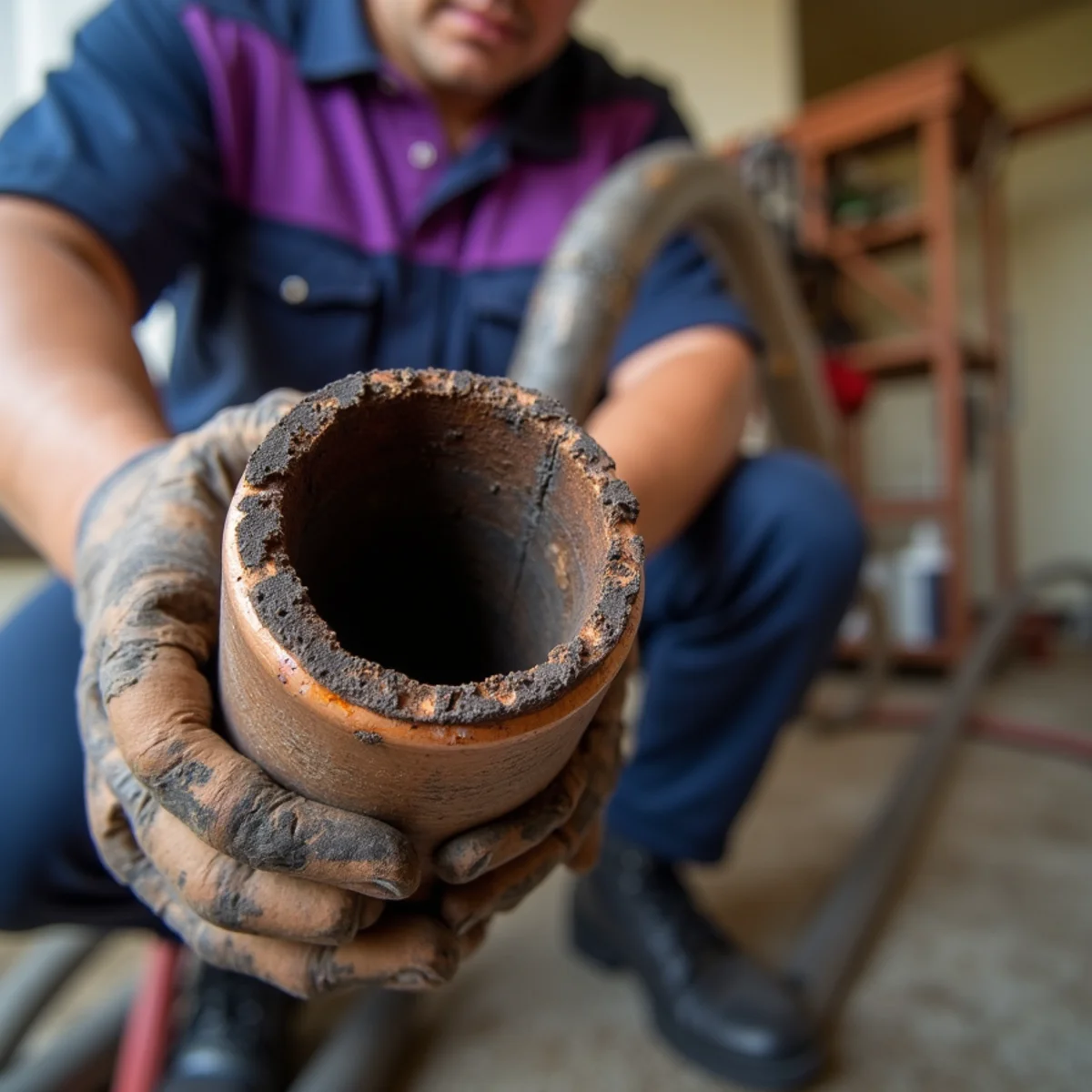
That persistent underground moisture matters to your plumbing. Pipes buried in consistently damp soil corrode faster than pipes in ground that dries out between rains. Over the years, we have pulled more pitted copper and rust-scaled steel out of homes near the water than from comparable houses farther from the lake. If you live in that ring, it pays to understand why, and to know the early signs before a slow corrosion problem becomes a leak in your slab or yard.
Why a higher water table speeds corrosion
Metal pipe corrodes through an electrochemical reaction, and that reaction needs moisture and oxygen to keep going. Pipe buried in soil that dries out periodically gets a break — the process slows when the ground is dry. Pipe buried in soil that stays damp most of the year, as it does near a large body of water, never gets that break. The corrosion clock runs continuously.
On top of that, wet clay soil holds and moves dissolved minerals and salts against the pipe's exterior, and moisture around a slab keeps the concrete and the lines within it damp. The result is exterior corrosion working inward on buried supply lines, plus accelerated wear anywhere metal meets consistently moist ground.
Hard water attacks from the inside, too
It is a two-front problem here. While ground moisture works on the outside of the pipe, Tarrant County's hard water — commonly 8 to 12 grains per gallon — works on the inside. Those minerals scale the interior walls, and in copper systems, aggressive water chemistry can cause pinhole pitting from within.
A pipe getting corroded from the outside by a high water table and scaled or pitted from the inside by hard water simply does not last as long as the plumbing in a textbook. That is why proactive attention, rather than waiting for a failure, makes sense for lakeside homes.
The signs corrosion is already underway
Corrosion rarely fails all at once. It gives you warning if you know what to look for. Discolored water — a rusty, reddish, or brownish tint, especially first thing in the morning — points to rust and scale inside the lines. A metallic taste or staining on fixtures and laundry is the same story.
On exposed pipe in the garage, basement crawl area, or under sinks, look for green or white crusty deposits on copper, flaky rust on steel, or damp, discolored spots that signal a weeping pinhole. A gradual drop in water pressure can mean scale is narrowing the pipes' interior. And any recurring small leak at the same fitting is corrosion telling you the metal is thinning there.
What lakeside homeowners can do about it
You cannot lower the water table, but you can slow both fronts of the attack. Managing drainage so roof and surface water is carried well away from the foundation keeps the soil immediately around your slab from staying needlessly saturated. Good grading and working gutters matter more near the lake than almost anywhere else in the area.
For the inside-the-pipe half of the problem, a water softener is the single most effective step. Softening removes the calcium and magnesium that scale and pit your lines, extending the life of everything downstream — pipes, water heater, and fixtures. For homes where corrosion has already thinned the copper in multiple spots, a repipe with modern materials that shrug off both moisture and hard water ends the cycle for good rather than chasing one pinhole after another.
When to test, and when to repipe
If your lakeside home is a few decades old and on its original copper or galvanized steel, it is worth having the plumbing evaluated even before a leak appears. We check exposed lines for exterior corrosion, look at water clarity and pressure, and can locate hidden weeping with leak-detection equipment.
A single isolated pinhole in otherwise sound copper is a spot repair. But when we find pitting and corrosion showing up in several places, that pattern is the pipe telling you the whole system is near the end of its service life in this environment. At that point a planned repipe on your schedule is far cheaper and less stressful than an emergency one after a line lets go inside a wall or under the slab.
How Grapevine Heritage Plumbing Can Help
Frequently Asked Questions
In our experience, yes. The higher water table near the lake keeps soil around buried pipes consistently damp, which speeds exterior corrosion. Combined with our hard water attacking pipes from the inside, lakeside homes tend to show corrosion earlier than houses in drier parts of the mid-cities.
Lakeside living is worth it, and a little extra plumbing awareness is a small price for that view and that access. The higher water table near Lake Grapevine is not a reason to worry — it is a reason to pay attention, catch corrosion early, and manage the moisture and water chemistry working against your pipes.
If you own an older home near the water and want to know where your plumbing really stands, Grapevine Heritage Plumbing will inspect it honestly and tell you whether you are looking at a simple repair or a smart time to repipe. Call us at (831) 290-4327 and get ahead of the corrosion.