
Emergency · By Grapevine Heritage Plumbing
A pipe rarely bursts at a convenient hour. It happens at 3 a.m. during a January cold snap, or while you are backing out of the driveway on the way to work. Either way, the water does not wait for you to figure out what to do — a half-inch supply line can push out several gallons a minute, and that adds up to real structural damage before the first towel hits the floor.
The good news is that the first few minutes are almost entirely in your control, and the moves are simple once you know them. We have pulled soaked drywall out of homes all over Grapevine and the mid-cities, and the difference between a wet baseboard and a gutted room is almost always how fast the homeowner got the water shut off.
Here are the five things to do right now, in order. Do the first one before you do anything else — including reading the rest of this page.

Step 1: Shut Off the Main Water Valve
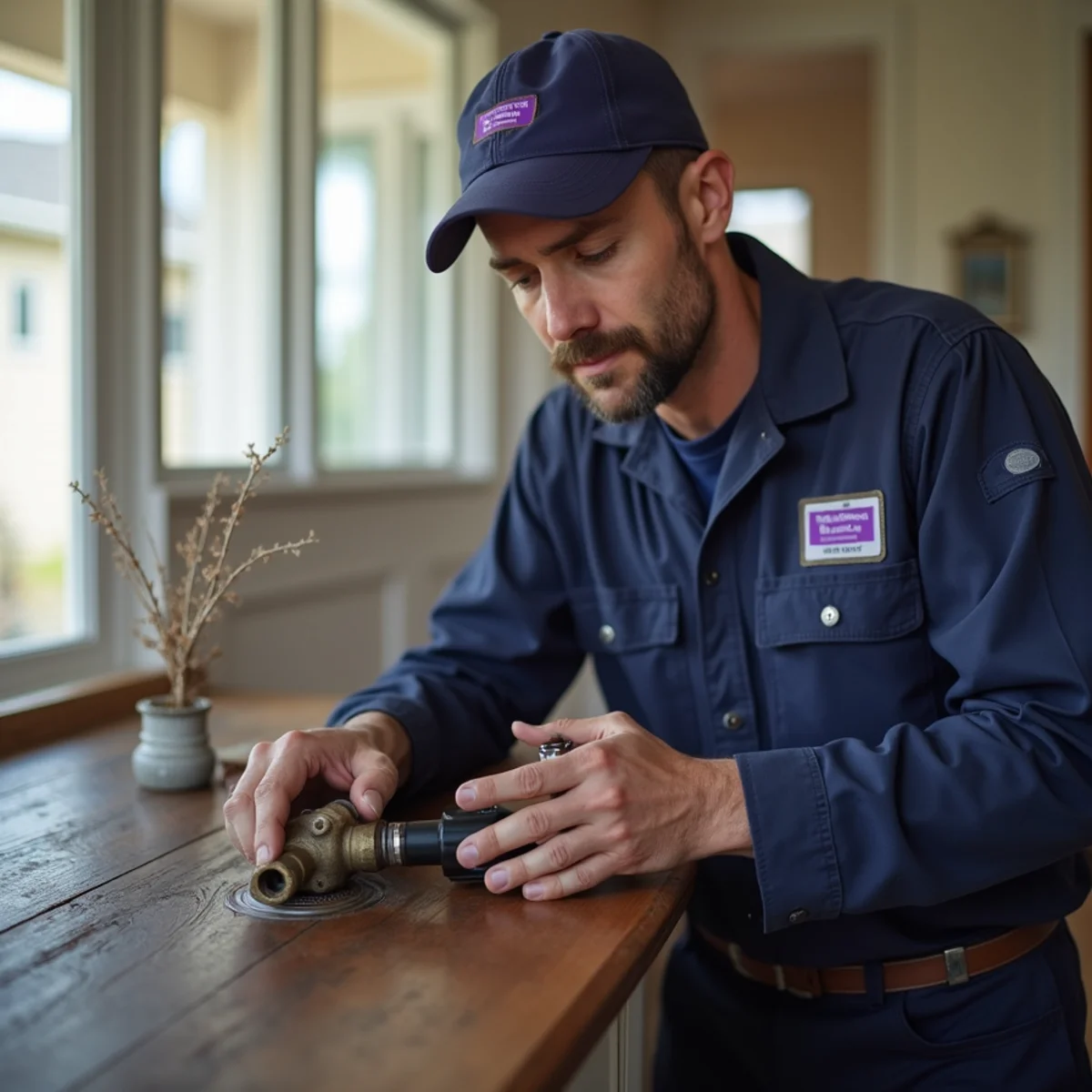
Stopping the water is the single most valuable thing you can do, and it beats mopping, calling, or filming the damage. Every gallon you keep out of the house is a gallon you do not have to dry, extract, and rebuild around.
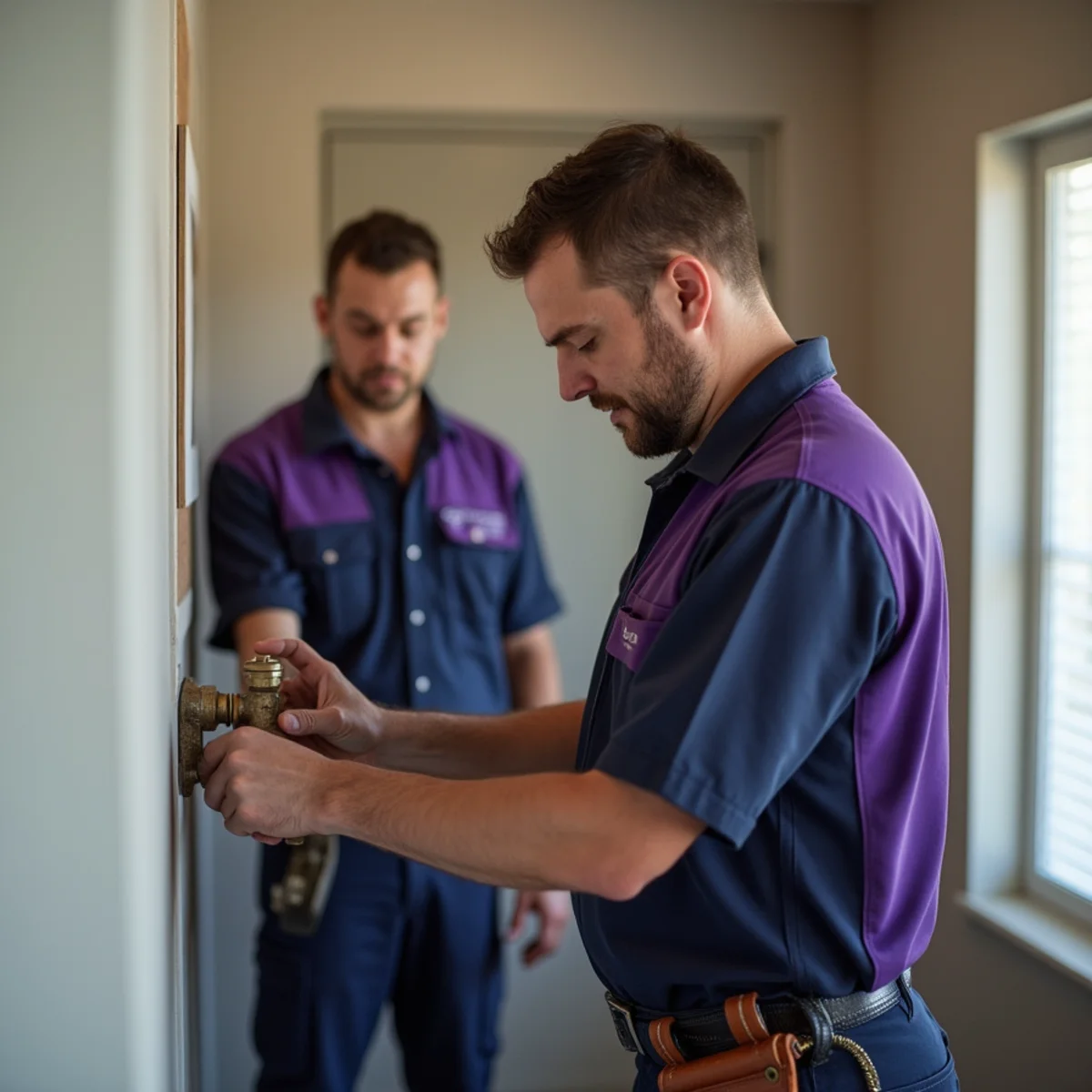
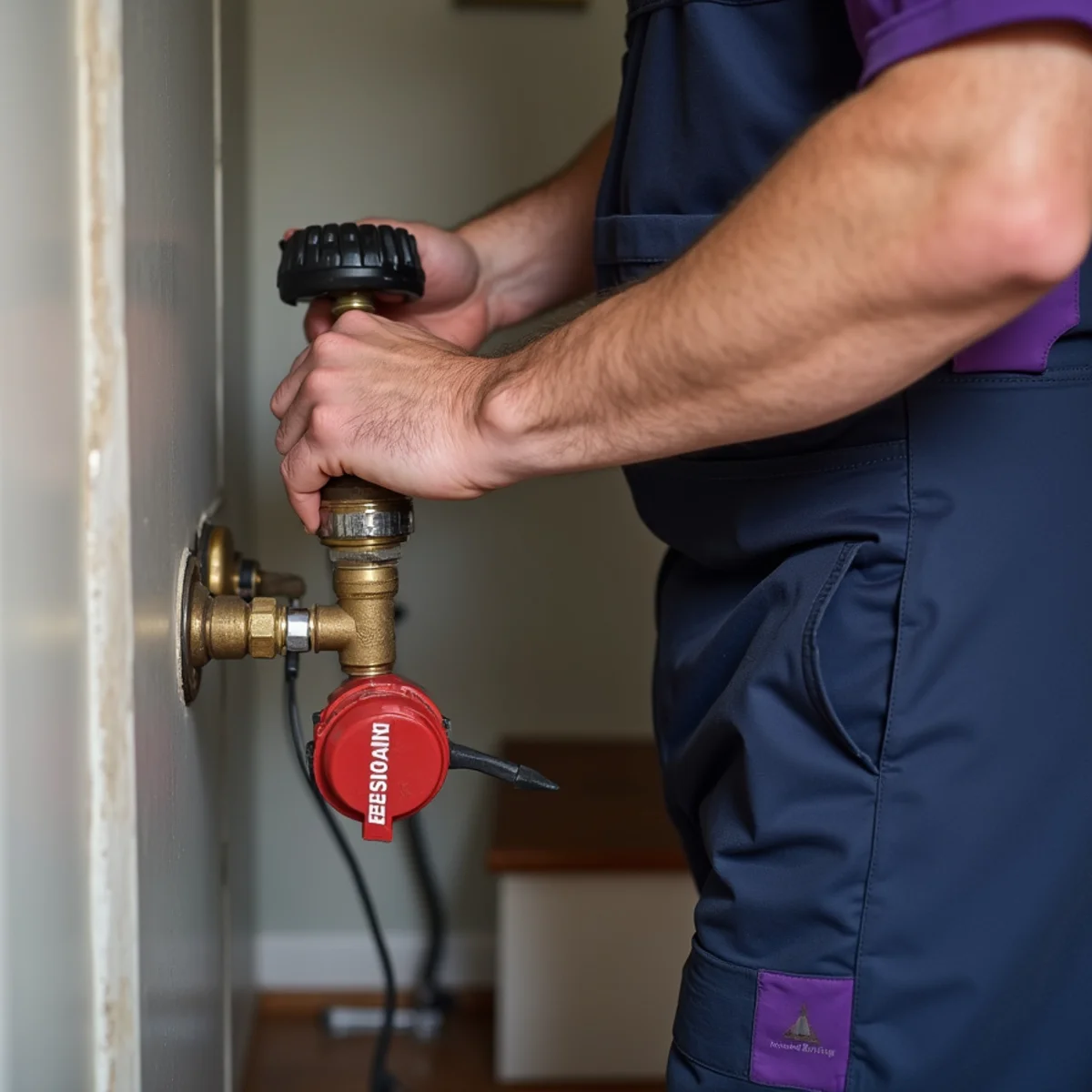
In most Grapevine homes the main shutoff is in one of two places: at the water meter near the street (a rectangular concrete or plastic box in the yard, usually toward the curb), or where the water line enters the house — often on an exterior wall near the front hose bib, in a garage, or in a utility closet. The valve is either a round wheel you turn clockwise until it stops, or a lever you rotate a quarter turn so it sits crosswise to the pipe.
If it is a meter-box valve, you may need a meter key or a pair of channel-lock pliers to turn it. It is worth walking your family out to that box on a calm afternoon and finding it before you ever need it. Knowing where your shutoff is — and that it actually turns — is the cheapest insurance in plumbing.
Step 2: Open Faucets to Drain the Lines
Once the main is off, open a few cold taps at the lowest point in the house and one at the highest, and flush a toilet or two. This drains the water already sitting in the pipes so it exits through the faucet instead of the break, and it relieves pressure in the system.
If the burst came from a frozen line, draining also gives any remaining ice somewhere to expand without splitting more pipe. Leave the faucets open until the flow slows to a trickle. You will hear the system gurgle and settle as it empties.
Step 3: Kill Power to the Wet Area
Water and electricity do not mix, and a burst pipe in a ceiling or wall can send water into light fixtures, outlets, and the panel itself. If water is anywhere near outlets, fixtures, or the breaker box — and you can reach your electrical panel without standing in water — shut off the breakers for the affected rooms.
If the panel itself is wet or you would have to wade through standing water to reach it, do not risk it. Stay out of the water and call an electrician or your utility. No repair is worth a shock.
Step 4: Move Water Away and Start Drying
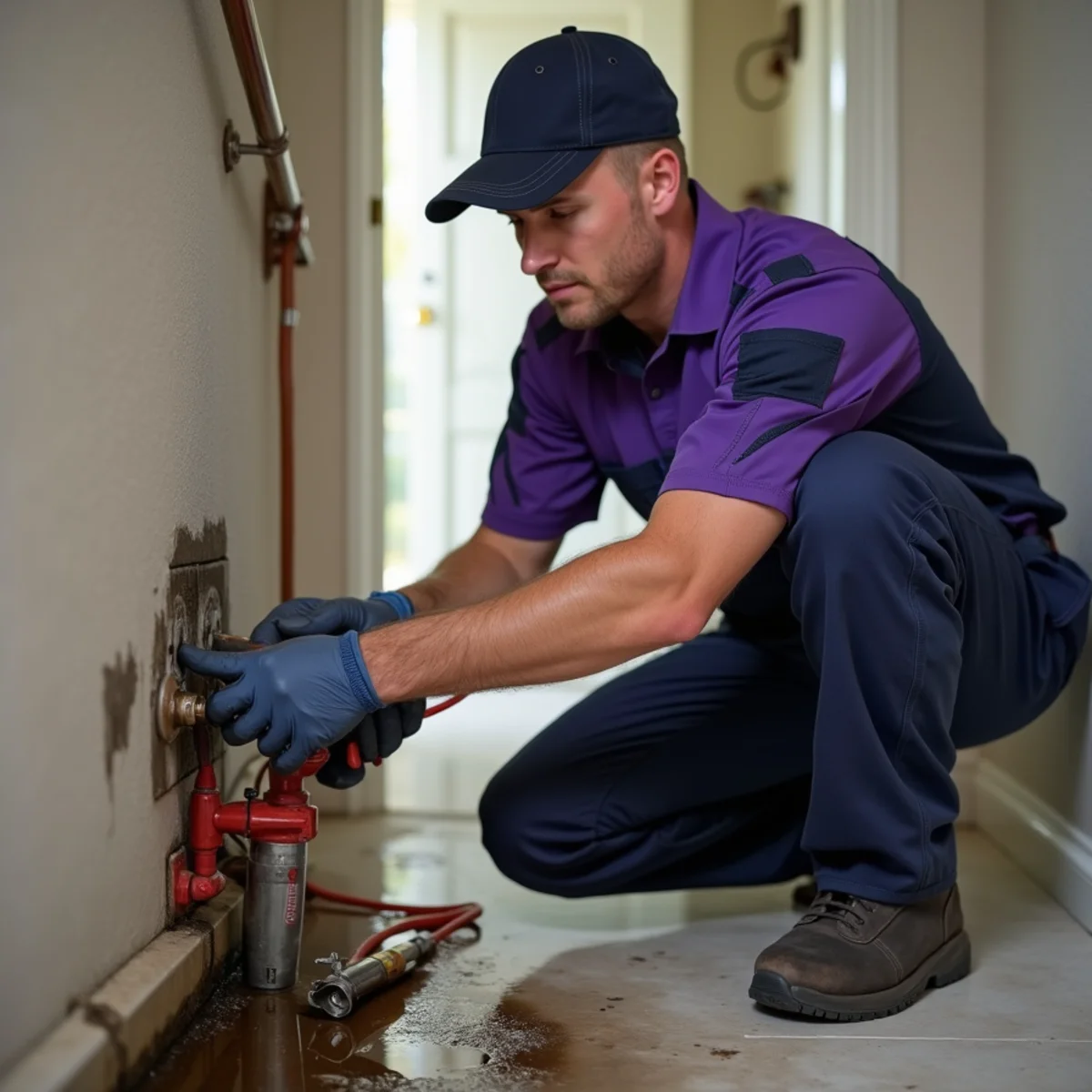
Now you can deal with what is already down. Pull rugs, furniture legs, and boxes off the wet floor and out of the room. Sop up standing water with towels, a wet-dry shop vac, or a mop and bucket. The faster you get surface water up, the less chance it wicks into subfloor, drywall, and baseboards.
North Texas humidity works against you here, so get air moving. Open windows if it is dry outside, run box fans across the floor, and set up a dehumidifier if you own one. Insurance and restoration pros generally want visible drying underway within the first 24 to 48 hours to head off mold, so this step matters more than it looks.
Snap photos and short videos of everything before you move too much — the break, the standing water, and any damaged belongings. Your insurer will want that documentation, and it is far easier to capture now than to reconstruct later.
Step 5: Call a Licensed Plumber
With the water off and the mess contained, call in a licensed plumber to find and fix the actual failure. A burst pipe is a symptom — the real question is why it let go, because a pipe that froze once will freeze again in the same spot, and a corroded line rarely fails only in one place.
When you call us, tell the dispatcher what you saw: where the water came from, whether it was hot or cold, and whether the house had frozen or lost pressure first. That helps the technician arrive with the right materials. We will pinpoint the break, replace the failed section, pressure-test the repair, and talk through whether insulation, a pressure-regulating valve, or a repipe would keep it from happening again.
Why Grapevine Pipes Burst in the First Place
Two local factors drive most of the burst pipes we see. The first is our freeze pattern. North Texas does not stay cold all winter, so homes here are built with less pipe protection than homes up north — exposed lines in attics, unheated garages, and exterior walls. When a hard freeze like February 2021 rolls through, water in those lines expands, and the pipe splits. The break often does not show until things thaw and the water starts flowing again.
The second is our water and soil. Tarrant County water runs hard, commonly in the 8 to 12 grains-per-gallon range, and years of mineral scale narrow and stress older pipe from the inside. Add the Blackland Prairie clay under most Grapevine slabs — clay that swells when wet and shrinks when dry — and you get ground that shifts season to season, tugging on the rigid copper and galvanized lines running through the foundation. A slab that moves an eighth of an inch does not care how new your fixtures are.
How Grapevine Heritage Plumbing Can Help
Frequently Asked Questions
A common half-inch supply line under normal household pressure can push out several gallons per minute. Left running, that is hundreds of gallons in under an hour — which is why shutting the main valve first, before anything else, is the most important move you can make.
A burst pipe feels like chaos, but it comes down to a short, ordered checklist: shut the main, drain the lines, kill the power, dry it out, and call a pro. Handle the first three fast and you turn a potential disaster into a manageable repair.
When you are ready for the permanent fix — and an honest look at why the pipe failed — Grapevine Heritage Plumbing has licensed plumbers staged across the mid-cities day and night. Call us anytime at (831) 290-4327 and we will get a real technician headed your way.